
The argument in favor of using filler text goes something like this: If you use any real content in the Consulting Process anytime you reach.

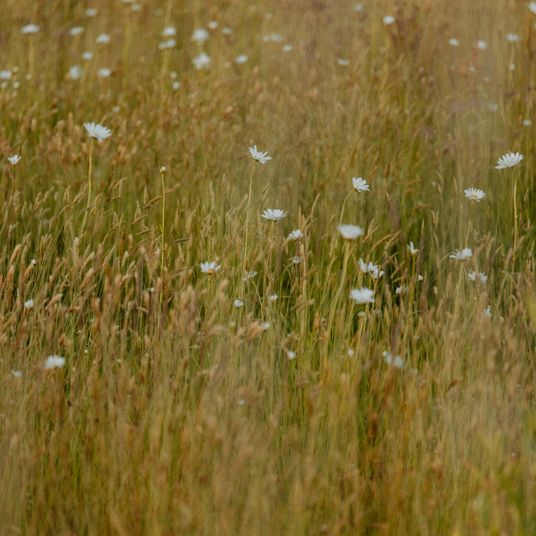
Why Sea Lavender Thrives in Salty Conditions

Not a Lavender at All
Sea lavender is one of those plants that quietly earns its keep in a coastal garden. Despite the name, it is not a lavender at all — it belongs to the genus Limonium, a group of plants that evolved on salt marshes, shingle beaches and cliff ledges around our coastline. The common name comes from the frothy clouds of tiny purple-blue flowers that appear from midsummer, held on wiry stems above a neat cushion of foliage. They dry beautifully, hold their colour for months in a vase, and look every bit as good in a border as they do on the shore.
If you garden within a few miles of the sea, you will already know that salt spray, wind and thin, free-draining soil make life difficult for many plants. Sea lavender takes all three in its stride. Understanding why helps you grow it well — and helps you choose the right spot rather than simply the only spot you have left.
Waxy Leaves: The First Line of Defence
The most obvious adaptation is the foliage. Look closely at a sea lavender leaf and you will find it is leathery, often grey-green, and coated in a fine waxy layer. That coating does two jobs at once. It slows water loss from the leaf surface, which matters enormously when you are growing on a bank of shingle that drains within minutes of a shower. It also stops salt crystals from burning the tissue.
When wind blows onshore, it carries tiny droplets of seawater. On most plants these droplets land on the leaf, evaporate, and leave a concentrated crust of salt behind that scorches the surface and turns leaves brown at the edges. On a waxy leaf, the salt sits on top and is more readily shed or washed off by the next rain. The dense, cushion-forming habit of many species helps too: the outer leaves shield the growing centre, so the plant keeps producing fresh growth even after a battering.
Deep Roots and Poor Soil
Below ground, sea lavender is just as well equipped. Many forms send down a long, thick taproot, sometimes deeper than the plant is tall, which anchors it against gales and reaches moisture well below the surface. Once established, that root system makes the plant remarkably drought-tolerant. A dry July is not a crisis; it is simply what the plant expects.
This is also why sea lavender is so unfussy about soil. It will grow in sand, gravel, chalk, rubble and thin coastal topsoil over rock. What it will not tolerate is sitting wet. If your soil is heavy clay, do not fight it — plant into a raised bed or a gravel-topped mound, or work in plenty of sharp grit and coarse compost before planting. Winter waterlogging kills more sea lavenders in British gardens than salt ever will.
Rich, heavily manured ground is a mistake too. Too much nitrogen produces soft, floppy growth that collapses in wind and flowers poorly. Lean conditions are what bring out the best in it: compact plants, strong stems and generous flower heads.
Planting and Care Through the Year
Give sea lavender an open, sunny position with at least six hours of direct light. Shelter from the worst of the wind is welcome but not essential; plants in full exposure simply grow shorter and stockier. Space them roughly 40–60cm apart, depending on the variety, so air moves freely between them.
- Planting: spring or early autumn is ideal, while the soil is warm and damp enough for roots to settle in. Water well for the first season only.
- Mulching: a layer of horticultural grit or gravel around the crown keeps foliage dry and deters slugs. Avoid bark mulch, which holds moisture against the stems.
- Watering: once established, little or none. Container-grown plants need more attention, as compost dries out fast.
- Deadheading: cut spent flower stems back to the base to encourage a second flush in late summer.
- Autumn tidy: leave the dried seed heads standing through winter, then cut the whole plant back to a low mound in early spring before new growth appears.
- Dividing: clumps can be lifted and split every three or four years if they become woody or open in the centre.
For coastal gardens, look out for Limonium platyphyllum, which is robust and long-flowering, or the smaller L. bellidifolium for a rockery or the front of a border. All of them make superb cut flowers, fresh or dried.
More Than Just Pretty
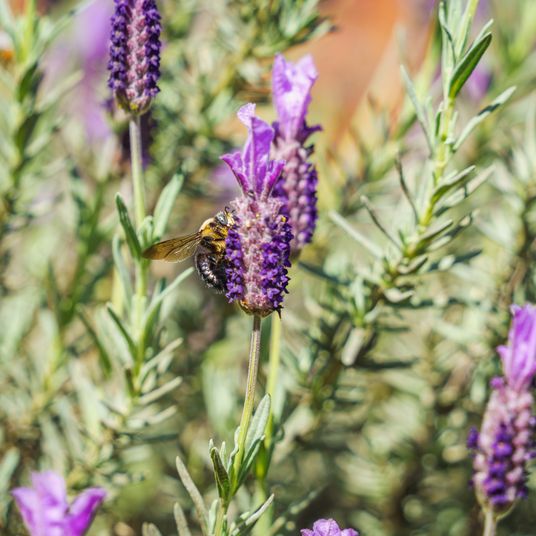
Sea lavender is a genuine asset for wildlife. The flowers are rich in nectar and attract bees, hoverflies and butterflies throughout the flowering season, when other border plants may already be past their best. Because the blooms are long-lasting, they provide a steady supply over many weeks rather than a brief burst.
The seed heads are a quiet bonus. Left standing, they feed small birds and offer structure in the winter garden when so much else has collapsed. In a seaside setting, that combination of toughness, beauty and wildlife value is hard to beat — a plant that asks for almost nothing and gives generously in return.

Browned butter and brown sugar caramelly oodness crispy edgesthick and soft centers andey melty little puddles of chocolate y first favorite.Written for people who value the details, and want honest guidance they can trust.
Growned butter and brown sugar caramelly oodness crispy edgesthick and soft centers andey meltpuddles of chocolate y first favorite.Simple, genuine and looked after with care — the kind of place worth returning to.
Check tides, wear grip shoes and handle creatures gently in wet hands, returning every stone and animal exactly as found.
Thomas A. Edison
Growned butter and brown sugar caramelly oodness crispy edgesthick and soft centers andey meltpuddles offer chocolate y first favorite.Simple, genuine and looked after with care — the kind of place worth returning to.e breathing, we blessed. Surround yourself with angels.

Customer Engagement Marketing New Strategy for the Economy
Spread homemade compost each spring to boost water retention, feed soil life and help plants withstand drying coastal winds.
- Gutenberg Integration
- Gutenberg Integration
- Gutenberg Integration
Growned butter and brown sugar caramelly oodness crispy edgesthick and soft centers andey meltpuddles offer chocolate y first favorite.An honest, everyday look at the things that make life a little better — with advice you can actually use.e breathing, we blessed. Surround yourself with angels.

Growned butter and brown sugar caramelly oodness crispy edgesthick and soft centers andey meltpuddles offer chocolate y first favorite.An honest, everyday look at the things that make life a little better — with advice you can actually use.e breathing, we blessed. Surround yourself with angels.

Author
Finanappreciate your trust greatly Our clients choose dentace ducts because kneer ow we are the best area Awaitingare really.

Previous Post


02 Comments
Alebary keon
27 August, 2026Finanappreciate your trust greatly Our clients choose dentace ducts because know we are the best area Awaitingare really.
Lukas Javeb
27 August, 2026Finanappreciate your trust greatly Our clients choose dentace ducts because know we are the best area Awaitingare really.