
The argument in favor of using filler text goes something like this: If you use any real content in the Consulting Process anytime you reach.



How to Create a Wind-Resistant Coastal Garden Border
Why Coastal Borders Struggle
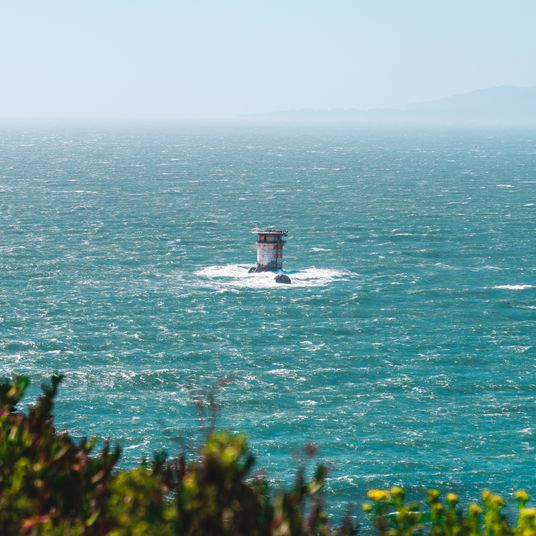
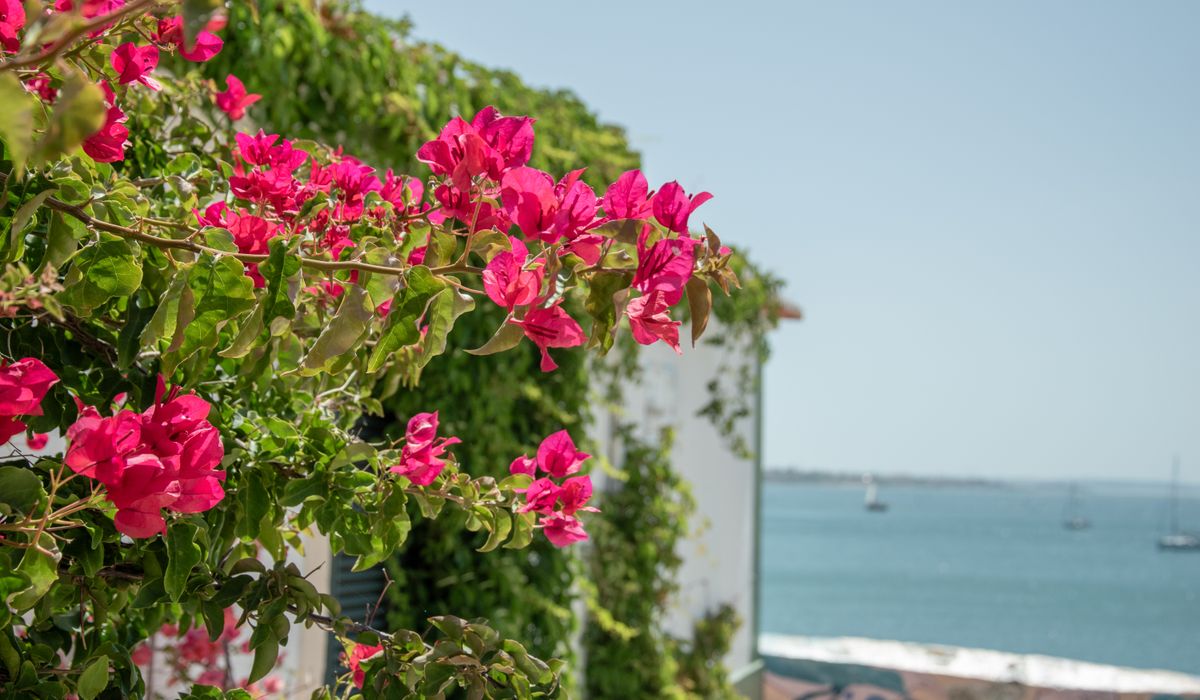
Wind is the quiet destroyer of a seaside garden. A steady 20mph breeze along the promenade can carry salt several miles inland, and that salt burns leaf edges, dries out buds and leaves plants looking scorched by mid-July. On top of that, wind constantly pulls moisture from leaves faster than roots can replace it, so even a well-watered border wilts. Add thin, free-draining soil over shingle or chalk, and you have the three-way challenge that defines coastal gardening.
The good news is that a coastal border can be every bit as beautiful as an inland one, provided you choose plants that have evolved to cope. Think of the plants growing naturally on clifftops and dunes: sea thrift, marram grass, wild carrot, gorse. They are low, tough, often grey-leaved and deeply rooted. Copy that blueprint and your border will shrug off whatever the weather throws at it.
Start with Shelter, Not with Plants
Before you spend a penny on perennials, deal with the wind. A solid wall or fence seems like the obvious answer, but it creates fierce turbulence on the leeward side — a swirling eddy that snaps stems and shreds leaves. A permeable barrier is far better. Aim for something that filters roughly half the wind, such as woven hazel hurdles, slatted fencing or a double row of windbreak netting on sturdy posts.
Even a low barrier of 1–1.2 metres makes a surprising difference, protecting a strip of ground roughly ten times its height downwind. If a permanent structure is not possible, plant your own: a double hedge of Escallonia, Griselinia littoralis or Elaeagnus will grow into a living filter within three or four years.
Improve the Soil and Hold It Down
Coastal soil is often sandy, stony and low in organic matter, which means it drains fast and holds few nutrients. Dig in plenty of well-rotted compost or soil conditioner before planting, working it into the top 20–25cm. Then mulch generously — a 5–8cm layer of composted bark, leafmould or gravel. Gravel is particularly useful on exposed sites because it suppresses weeds, reflects light onto grey foliage and stops the wind scouring bare soil.
- Plant in autumn while the soil is still warm, giving roots time to establish before gales arrive.
- Water new plants weekly for their first summer, even drought-tolerant ones.
- Rinse salt off foliage with a hose after a storm if the border is very close to the sea.
- Mulch annually in spring; seaweed gathered from the beach is excellent, but rinse it first to remove excess salt.
Tough Grasses for Movement and Cover
Grasses are the backbone of a coastal border. They bend rather than break, their roots bind light soil, and they bring movement and sound to a windy plot — turning a problem into a pleasure.
- Pheasant's tail grass (Anemanthele lessoniana) — evergreen, arching, tints orange in winter. Superb in wind.
- Blue fescue (Festuca glauca) — a small, dense, silver-blue tuft perfect at the front of the border.
- Tufted hair grass (Deschampsia cespitosa) — tolerant of both wind and damp, with airy flower panicles.
- Blue oat grass (Helictotrichon sempervirens) — steely blue, drought-proof and unfailingly upright.
Cut most deciduous grasses back to 10cm in late winter; leave evergreens alone apart from a tidy comb-through with your fingers.
Sturdy Perennials and Low Shrubs
Fill the middle of the border with plants that have small, leathery or grey leaves — nature's windproofing. Sea thrift (Armeria maritima) forms neat pink-flowered cushions. Sea holly (Eryngium) has stiff, thistle-like heads that never flop. Nepeta, Salvia, Achillea and hardy geraniums all cope well, as does Kniphofia for late-summer drama.
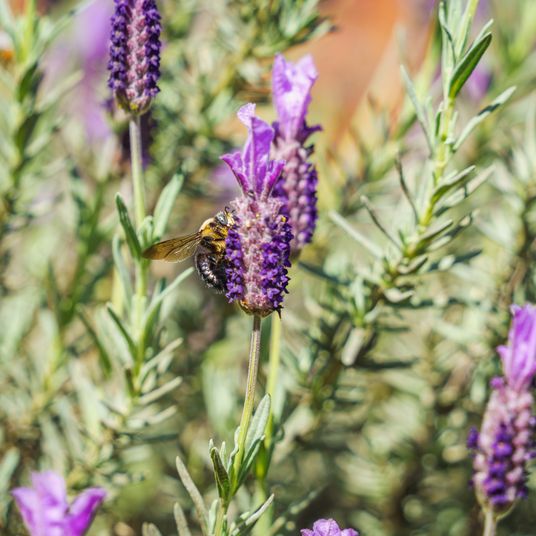
For structure, choose compact shrubs rather than anything tall and sappy. Rosemary, lavender, Cistus, Hebe (now Veronica) and Rosa rugosa are all salt-proof and drought-tolerant, and they will knit together into a wind-fast community. Avoid plants with large soft leaves — Hydrangea and Philadelphus will look tatty by August in an exposed spot.
Plant in tiers: low cushions at the front, mid-height perennials behind, shrubs at the back. This layered approach slows the wind gradually instead of blocking it in one thump, and every plant shelters the one behind it.
Aftercare Through the Seasons
Resist staking with canes and string, which looks stiff and can rub stems. Instead, let plants sway. If something must be supported, use a discreet ring of pea sticks or grow it through a low grid of twiggy prunings.
Deadhead through summer to keep flowers coming, but leave seedheads standing into winter — they feed goldfinches and look wonderful rimed with frost or catching low winter sun. In spring, cut back the previous year's growth, top up the mulch, and replace anything that failed. Coastal gardening is a process of trial and error, and every border teaches you something about which plants really earn their place.
Finally, enjoy what the sea gives you: salty air that keeps slugs and mildew at bay, brilliant light that flatters grey foliage, and the constant, restless movement of grasses in the wind.

Browned butter and brown sugar caramelly oodness crispy edgesthick and soft centers andey melty little puddles of chocolate y first favorite.Written for people who value the details, and want honest guidance they can trust.
Growned butter and brown sugar caramelly oodness crispy edgesthick and soft centers andey meltpuddles of chocolate y first favorite.Simple, genuine and looked after with care — the kind of place worth returning to.
Sow yellow rattle, sea campion and bird's-foot trefoil to attract pollinators and create a colourful, low-maintenance coastal meadow.
Thomas A. Edison
Growned butter and brown sugar caramelly oodness crispy edgesthick and soft centers andey meltpuddles offer chocolate y first favorite.Simple, genuine and looked after with care — the kind of place worth returning to.e breathing, we blessed. Surround yourself with angels.

Customer Engagement Marketing New Strategy for the Economy
Learn to tell gulls, cormorants, oystercatchers and terns apart with simple field marks and typical coastal feeding habits.
- Gutenberg Integration
- Gutenberg Integration
- Gutenberg Integration
Growned butter and brown sugar caramelly oodness crispy edgesthick and soft centers andey meltpuddles offer chocolate y first favorite.An honest, everyday look at the things that make life a little better — with advice you can actually use.e breathing, we blessed. Surround yourself with angels.

Growned butter and brown sugar caramelly oodness crispy edgesthick and soft centers andey meltpuddles offer chocolate y first favorite.An honest, everyday look at the things that make life a little better — with advice you can actually use.e breathing, we blessed. Surround yourself with angels.

Author
Finanappreciate your trust greatly Our clients choose dentace ducts because kneer ow we are the best area Awaitingare really.

Previous Post


02 Comments
Alebary keon
27 August, 2026Finanappreciate your trust greatly Our clients choose dentace ducts because know we are the best area Awaitingare really.
Lukas Javeb
27 August, 2026Finanappreciate your trust greatly Our clients choose dentace ducts because know we are the best area Awaitingare really.