
The argument in favor of using filler text goes something like this: If you use any real content in the Consulting Process anytime you reach.





Planting a Salt-Tolerant Hedge for Coastal Shelter
Why coastal gardens demand a different kind of hedge
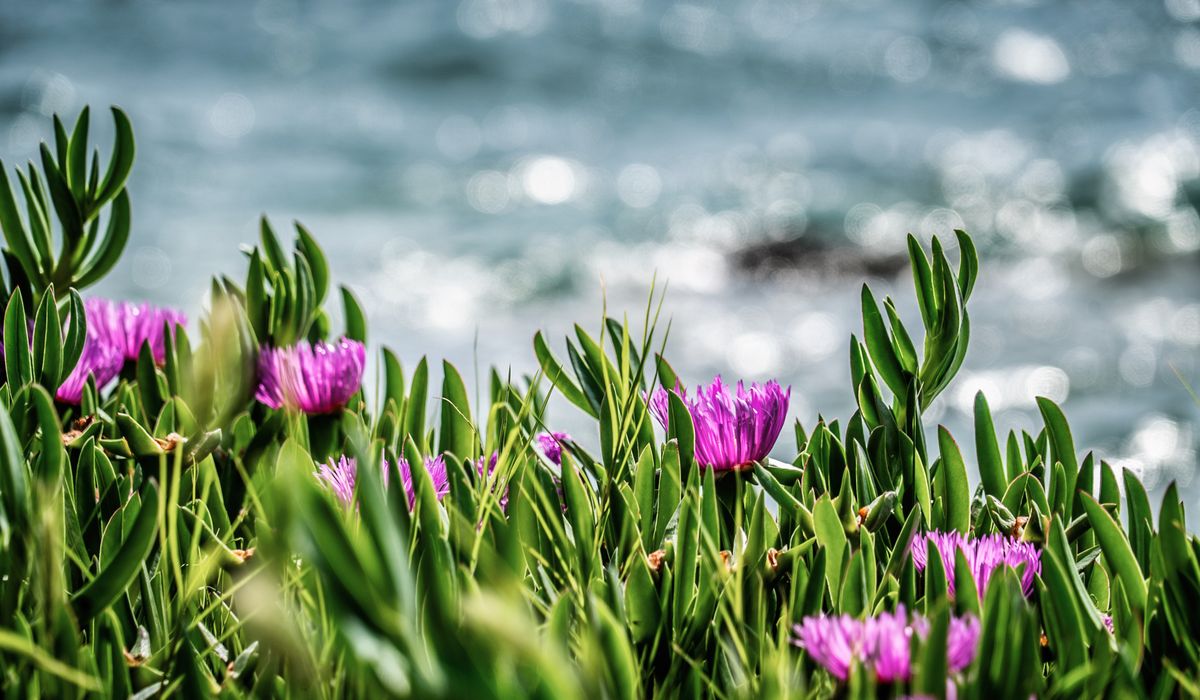
If you garden within a few miles of the British coast, you will know the familiar burn of salt-laden wind. It scorches leaf edges, snaps brittle stems and dries soil faster than inland conditions ever will. A hedge here is not simply a boundary; it is a living shelter belt that filters wind, traps salt spray and creates a kinder microclimate for everything behind it.
Coastal soils can be thin, sandy, chalky or compacted, and they often drain sharply. Windrock is another challenge, especially on exposed clifftops and open estuaries. The answer is to choose plants that evolved on dunes, cliffs and shingle, then plant them well and keep them dense from the base upwards.
Reliable salt-tolerant shrubs for a dense windbreak
Not every shrub will shrug off maritime conditions, but these proven performers will give you a robust framework for a seaside hedge.
- Sea buckthorn (Hippophae rhamnoides): a native coastal champion with silvery foliage, thorny stems and bright orange berries. It fixes nitrogen in the soil and tolerates fierce exposure, though it suckers freely. Space plants 1.5–2 metres apart.
- Griselinia littoralis: evergreen with apple-green leaves and a fast, dense habit. It tolerates salt spray well but appreciates shelter from the coldest winds. Trim in late spring to midsummer and space 1–1.5 metres apart.
- Escallonia: glossy leaves and pink or white summer flowers. It makes a tough, wind-resistant hedge and can be trimmed after flowering to keep its shape.
- Olearia × haastii: the daisy bush is grey-green, compact and surprisingly hardy on chalk. Its white flowers feed pollinators in late summer.
- Pittosporum tenuifolium: dark stems and wavy leaves give a smart, informal look. It needs well-drained soil and some shelter, so use it in the lee of a tougher front row.
- Elaeagnus × ebbingei: a sturdy evergreen with silver-backed leaves and fragrant autumn flowers. It copes with poor soil and salt wind, making it a dependable backbone plant.
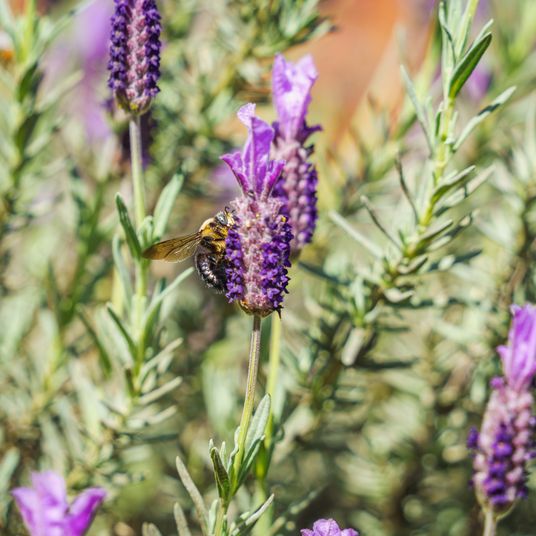
- Rosemary and Hebe: lower-growing options for the front of a mixed hedge. Both are pollinator magnets and tolerate dry, salty conditions.
Mix evergreens with deciduous shrubs for biodiversity. Where exposure is less severe, add native elder, hawthorn or blackthorn to support wildlife.
Planting for success in salty, windy soil
Autumn to early spring is the ideal planting window, while the soil is warm and moist. Bare-root plants are economical for long runs, but potted shrubs establish faster on exposed sites. Prepare a strip 60–90 centimetres wide, forking in well-rotted compost and a little grit if drainage is poor. Avoid rich fertiliser, which encourages soft growth that salt wind will shred.
Space plants according to their final size: 45–60 centimetres for a low hedge, 1–1.5 metres for larger windbreak species. Dig a hole twice the width of the rootball and plant at the same depth as the nursery line. Firm the soil gently, water thoroughly, then mulch 5–7 centimetres deep with bark or compost, keeping it clear of stems.
In very exposed spots, erect temporary windbreak netting on the windward side for the first two winters. Stake tall evergreens and check ties regularly. Water during dry spells for the first two years, even in winter if mild, drying winds persist.
Pruning, shaping and keeping the windbreak dense
A coastal hedge must be dense at ground level, not just at the top. Formative pruning after planting encourages bushy growth from the base. Thereafter, little and often is better than hard cutting.
- Griselinia: trim late spring to midsummer, but avoid cutting into old, bare wood.
- Escallonia: prune after flowering, removing the oldest stems to stimulate fresh growth.
- Sea buckthorn: prune in late winter to control suckers and keep the hedge in bounds. Wear thick gloves.
- Olearia and Pittosporum: give a light trim after the risk of frost has passed.
Keep the hedge wider at the base and narrower at the top so wind glances over it rather than pushing it over. Replace any dead or wind-damaged plants promptly, and feed with a seaweed-based tonic in spring if growth looks pale.
Wildlife, shelter and the joy of a seaside hedge
A salt-tolerant hedge does far more than stop wind. It creates a calm microclimate where other plants can thrive, and it becomes a wildlife corridor along the coast. Dense evergreens give robins, dunnocks and sparrows safe nesting sites. Sea buckthorn berries feed fieldfares and redwings in winter, while escallonia and olearia flowers provide nectar for bees and butterflies.
If you want to retain a sea view, keep the seaward hedge to 1.2–1.5 metres and allow taller sections at the sides. Leave some leaf litter and seedheads for overwintering insects, and avoid clipping between March and August when birds are nesting. Coastal gardening asks for patience, but a well-chosen hedge will earn its keep for decades, sheltering your garden, supporting wildlife and softening the salt wind.

Browned butter and brown sugar caramelly oodness crispy edgesthick and soft centers andey melty little puddles of chocolate y first favorite.Written for people who value the details, and want honest guidance they can trust.
Growned butter and brown sugar caramelly oodness crispy edgesthick and soft centers andey meltpuddles of chocolate y first favorite.Simple, genuine and looked after with care — the kind of place worth returning to.
Cut back spent growth, remove cuttings and scarify lightly to keep a coastal meadow diverse, healthy and full of spring promise.
Thomas A. Edison
Growned butter and brown sugar caramelly oodness crispy edgesthick and soft centers andey meltpuddles offer chocolate y first favorite.Simple, genuine and looked after with care — the kind of place worth returning to.e breathing, we blessed. Surround yourself with angels.

Customer Engagement Marketing New Strategy for the Economy
Use wind-hardy trees, gravel paths and drought-tolerant perennials to frame sea views without blocking light or sheltering pests.
- Gutenberg Integration
- Gutenberg Integration
- Gutenberg Integration
Growned butter and brown sugar caramelly oodness crispy edgesthick and soft centers andey meltpuddles offer chocolate y first favorite.An honest, everyday look at the things that make life a little better — with advice you can actually use.e breathing, we blessed. Surround yourself with angels.

Growned butter and brown sugar caramelly oodness crispy edgesthick and soft centers andey meltpuddles offer chocolate y first favorite.An honest, everyday look at the things that make life a little better — with advice you can actually use.e breathing, we blessed. Surround yourself with angels.

Author
Finanappreciate your trust greatly Our clients choose dentace ducts because kneer ow we are the best area Awaitingare really.

Previous Post


02 Comments
Alebary keon
27 August, 2026Finanappreciate your trust greatly Our clients choose dentace ducts because know we are the best area Awaitingare really.
Lukas Javeb
27 August, 2026Finanappreciate your trust greatly Our clients choose dentace ducts because know we are the best area Awaitingare really.