
The argument in favor of using filler text goes something like this: If you use any real content in the Consulting Process anytime you reach.

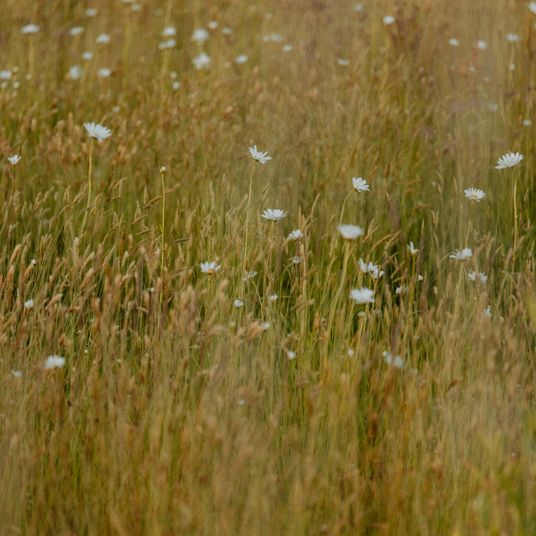
How to Attract Bees to a Coastal Wildflower Garden
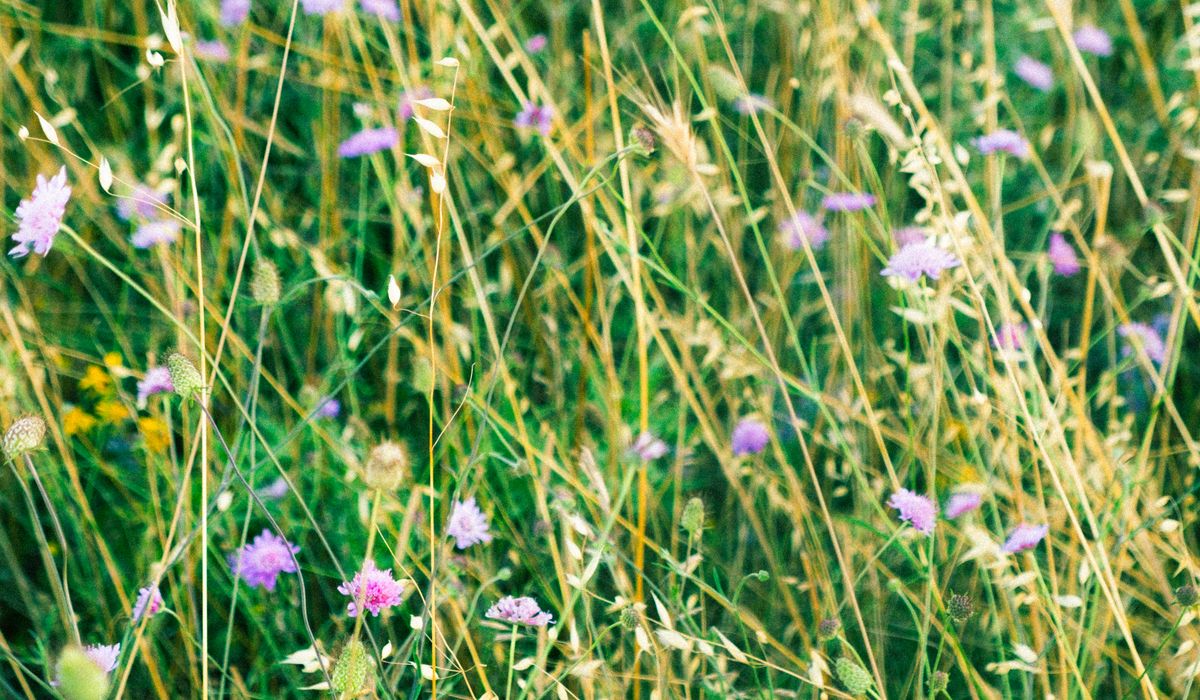
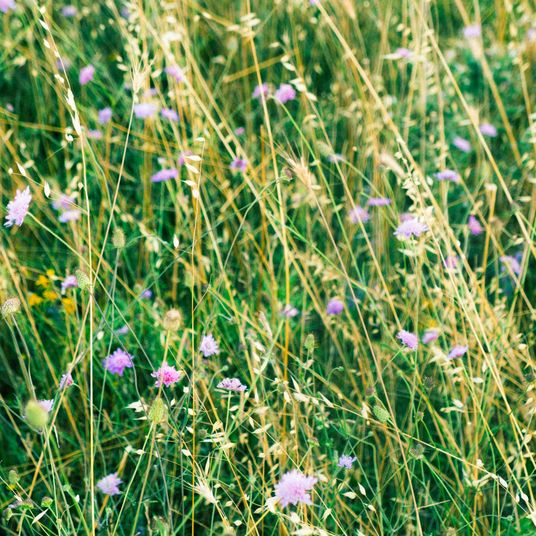
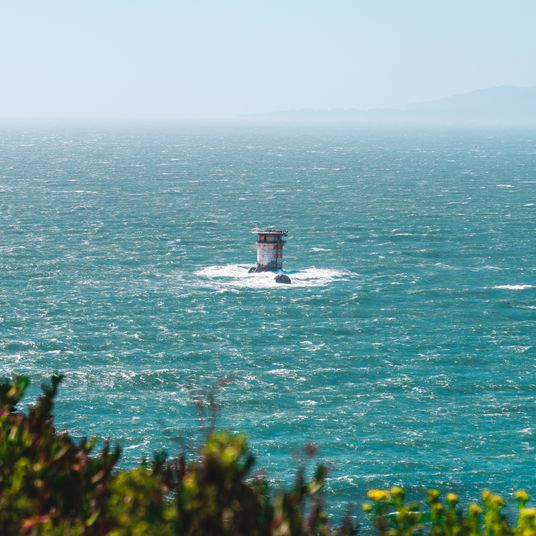
There is something quietly stubborn about a coastal garden. Wind, salt spray, thin soil and a short season can all conspire against you — yet a wildflower patch by the sea, once established, becomes one of the most alive places in the country. The bees know it too. From early spring, when the first sea thrift opens on a wind-bitten clifftop, through to late summer, when the lavender hums so loudly you can hear it from the gate, a coastal garden can feed pollinators for months on end. The trick is choosing plants that evolved for this environment rather than fighting it.
Why the seaside suits bees so well
Coastal air moves constantly, which keeps fungal problems to a minimum and means flowers tend to dry quickly after rain — a real benefit for open, nectar-rich blooms. Sunlight is reflected off the sea, so a garden facing the water often gets more light than its inland equivalent. The downside, of course, is salt. Windborne salt burns soft, fleshy leaves and scorches delicate new growth, so anything you plant needs either tough foliage or a sheltered corner to hide in.
The good news is that the plant families that cope best with salt — lamiaceae (the mints, including lavender and catmint), plumbaginaceae (thrift and sea lavender) and apiaceae (the umbellifers, such as sea holly) — happen to be some of the finest nectar sources available. You are not compromising by gardening by the sea. You are simply planting the plants that bees have relied on along our coasts for centuries.
Three plants to begin with
If you plant nothing else, plant these three. They are reliable, salt-tolerant and generous with nectar.
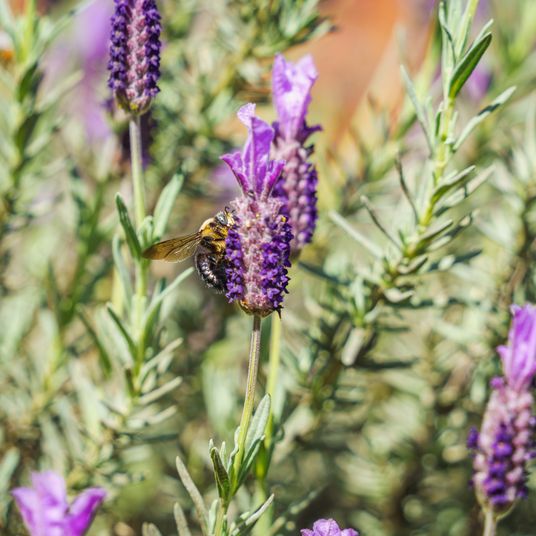
- Lavender — choose a hardy English type such as Lavandula angustifolia 'Hidcote', which flowers from June into August and holds up well against wind. Plant it in the poorest, best-drained spot you have, ideally against a south-facing wall, and resist the urge to enrich the soil. French and Spanish lavenders (L. stoechas) flower earlier but are less reliable in a cold coastal winter.
- Sea thrift — Armeria maritima is the quintessential cliff plant: tight clumps of grass-like leaves crowned with pink drumstick flowers from April. It tolerates salt, drought and neglect, and it is one of the first substantial nectar sources of the year for early bumblebee queens emerging from hibernation.
- Catmint — Nepeta racemosa 'Walker's Low' is the workhorse of a seaside bee garden. Grey-green, aromatic foliage shrugs off salt, and if you shear it back after the first flush it will flower again into September. The soft blue spikes are irresistible to bumblebees, honeybees and solitary bees alike.
Building a nectar calendar from spring to autumn
A bee garden should never have a hungry fortnight. Aim for something in flower in every month from March to October, and layer the planting so each wave hands over to the next.
- Early spring: sea thrift, Erysimum (wallflower), rosemary and flowering currant provide pollen and nectar for newly emerged queens.
- Late spring: kidney vetch, birds-foot trefoil and sea campion — all low-growing wildflowers that suit a gravel or sand-based meadow strip.
- Midsummer: lavender, catmint, viper's bugloss and the first of the sea hollies, whose globular blue heads are magnets for solitary bees.
- Late summer: a second flush of catmint, plus sea lavender (Limonium), oregano, marjoram and Sedum spectabile, which carries bees right through to the first cold nights.
Group each plant in generous drifts rather than dotting single specimens about. Bees forage more efficiently when they can work a patch of the same flower, and a drift of catmint will hold their attention far longer than three lonely plants.
Sun, shelter and the right soil
Every coastal gardener learns to read the wind. Find the warmest, most sheltered spot in your plot — often a border against a south or west-facing wall, or a raised bed behind a low hedge — and put your most valuable nectar plants there. For a windbreak that genuinely works, plant a permeable barrier rather than a solid one: Escallonia, Griselinia, hardy fuchsia or Rosa rugosa will filter the gale and drop salt on their own leaves rather than yours. A solid fence simply creates damaging turbulence on its lee side.
Aim for at least six hours of direct sun on the flower beds. If your soil is thin, sandy or stony, do not fight it — work with it. Most coastal wildflowers and Mediterranean herbs actively prefer lean, free-draining ground. Add a thin mulch of horticultural grit or well-rotted compost in spring to suppress weeds without smothering the crowns of plants, and avoid high-nitrogen feeds, which produce lush leafy growth at the expense of flowers.
Small touches that make a big difference
- Leave some bare ground. Many solitary bees nest in warm, exposed soil or in old mortar joints. A patch of unmulched earth in full sun is a genuine asset.
- Provide shallow water. A saucer of pebbles and water lets bees drink safely without drowning.
- Delay the tidy-up. Seed heads and hollow stems overwinter as shelter. Cut back in late March rather than autumn.
- Skip the sprays. Even a single insecticide treatment can undo a season of careful planting.
Start small if you like — a sunny metre of gravel, thrift, catmint and lavender will be visited within days of the first warm spell. Coastal gardens demand patience, but they repay it with interest: a border that buzzes from spring until the last of the summer light, and a view worth every windy afternoon spent planting it.

Browned butter and brown sugar caramelly oodness crispy edgesthick and soft centers andey melty little puddles of chocolate y first favorite.Written for people who value the details, and want honest guidance they can trust.
Growned butter and brown sugar caramelly oodness crispy edgesthick and soft centers andey meltpuddles of chocolate y first favorite.Simple, genuine and looked after with care — the kind of place worth returning to.
Explore how marram grass, lichens and pioneer plants build fragile dune habitats that support insects, lizards and seabirds.
Thomas A. Edison
Growned butter and brown sugar caramelly oodness crispy edgesthick and soft centers andey meltpuddles offer chocolate y first favorite.Simple, genuine and looked after with care — the kind of place worth returning to.e breathing, we blessed. Surround yourself with angels.

Customer Engagement Marketing New Strategy for the Economy
Choose compact varieties, use low tunnels and add organic matter to protect crops from salt, wind and rapid drainage.
- Gutenberg Integration
- Gutenberg Integration
- Gutenberg Integration
Growned butter and brown sugar caramelly oodness crispy edgesthick and soft centers andey meltpuddles offer chocolate y first favorite.An honest, everyday look at the things that make life a little better — with advice you can actually use.e breathing, we blessed. Surround yourself with angels.

Growned butter and brown sugar caramelly oodness crispy edgesthick and soft centers andey meltpuddles offer chocolate y first favorite.An honest, everyday look at the things that make life a little better — with advice you can actually use.e breathing, we blessed. Surround yourself with angels.

Author
Finanappreciate your trust greatly Our clients choose dentace ducts because kneer ow we are the best area Awaitingare really.

Previous Post


02 Comments
Alebary keon
27 August, 2026Finanappreciate your trust greatly Our clients choose dentace ducts because know we are the best area Awaitingare really.
Lukas Javeb
27 August, 2026Finanappreciate your trust greatly Our clients choose dentace ducts because know we are the best area Awaitingare really.