
The argument in favor of using filler text goes something like this: If you use any real content in the Consulting Process anytime you reach.



Spotting Butterflies and Moths in Seaside Meadows
Why coastal meadows punch above their weight
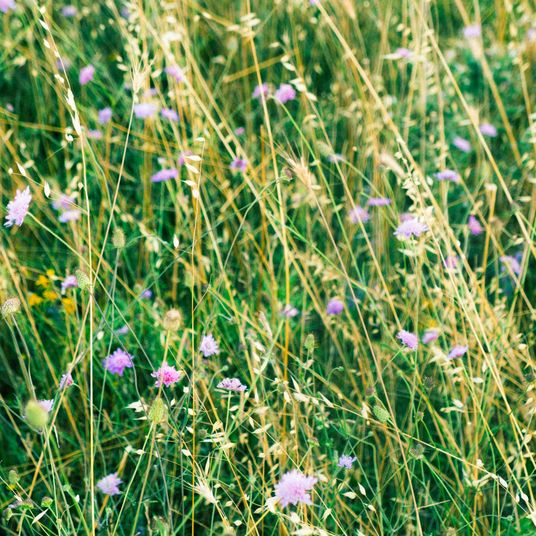
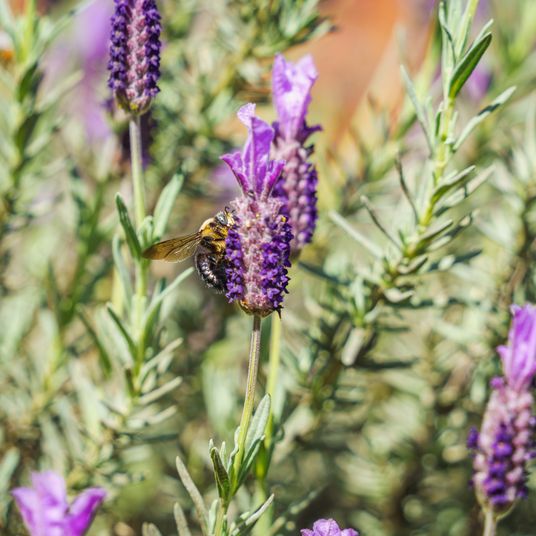
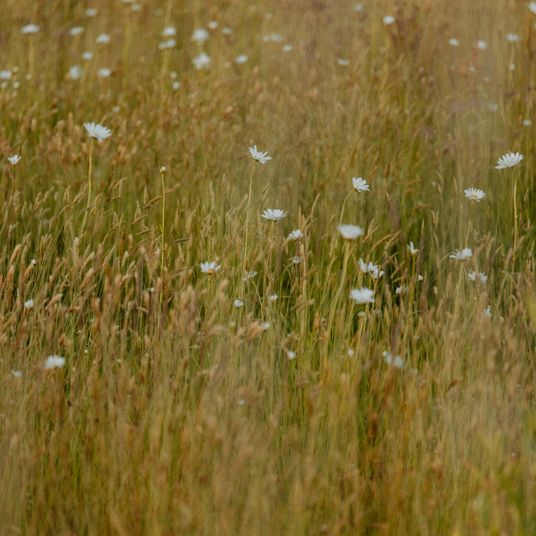
Seaside meadows are often small, windswept and modest to look at, yet they can be astonishingly rich in butterflies and moths. Salt-laden air, thin soils and a mild maritime climate keep the sward short and open, which suits warmth-loving insects. Sea lavender, thrift and bird's-foot trefoil flourish where many inland plants would sulk, and these flowers provide both nectar for adults and food for caterpillars. Add a few bare patches for basking and you have a nursery and a larder in one.
The best coastal meadows sit behind dunes, on cliff tops, along sea walls and in sheltered hollows where the wind drops. On a still, warm day in July, a metre-wide strip of sea lavender can hold a dozen nectaring common blues and a scattering of day-flying moths. The trick is knowing what you are looking at, and when.
Butterflies to look for on a sunny stroll
Start with the common blue, often the most numerous butterfly on a seaside meadow. Males are a clear, bright blue; females are brown with a dusting of blue near the body. Both have a weak, fluttering flight and frequently settle low on grass stems or bare earth. Their caterpillar foodplant is bird's-foot trefoil, so look for the butterflies close to patches of it.
Meadow browns are everywhere in high summer. They are true to their name: soft brown, with an orange patch around a single white-pupilled eye spot on the upper forewing. The flight is floppy and unhurried, and they often bask with wings closed, showing a pale underside. Small heaths are smaller and more orange-brown, with a similar eye spot but a weaker, more skittish flight. On bare ground and sea walls, watch for wall browns sunning themselves, wings open, before darting up to investigate passing shadows.
- Common blue: May to September, peaking in July and August; low flutter, often on bird's-foot trefoil.
- Meadow brown: June to August; brown with orange patch and one eye spot; floppy flight.
- Small heath: June to August; small, orange-brown, weak flight; loves short turf.
- Wall brown: May to September; check bare ground, stones and sea walls.
Moths that fly by day
The six-spot burnet is the seaside meadow's answer to a jewel. It is glossy black with six vivid red spots on each forewing, and it flies in sunshine rather than at night. Look for it nectaring on knapweed, sea lavender and thyme, or resting on grass stems in the early morning before it warms up. Its caterpillars feed on bird's-foot trefoil, so the same flower that supports common blues often supports burnets too.
Other day-flying moths turn up regularly. The cinnabar moth, red and black, is unmistakable and its yellow-and-black caterpillars strip ragwort. Silver Y moths arrive as migrants and hover at flowers like tiny hummingbirds. Hummingbird hawk-moths are occasional visitors, especially in warm summers, and are worth a second look when something large and fast whirs past a patch of red valerian. Do not dismiss a fluttering insect as "just a moth" — on a coastal meadow, the day shift can be as colourful as the butterflies.
Plants that do the heavy lifting
If you want butterflies and moths, grow their foodplants as well as their nectar. On the coast, the following do the most work:
- Bird's-foot trefoil: caterpillar food for common blue and six-spot burnet; nectar for many.
- Kidney vetch: essential for small blue where it occurs; low-growing and wind-tolerant.
- Sea lavender: a late-summer nectar bar, especially for common blues and burnets.
- Thrift: early nectar on cliff tops and rockeries; neat, pink and salt-proof.
- Knapweed and red clover: reliable nectar through midsummer.
- Fine grasses: sheep's fescue and red fescue feed meadow brown and small heath caterpillars.
Leave a few bare, sunny patches too. Butterflies and day-flying moths need somewhere to open their wings and warm up before they can fly.
How and when to look
Timing matters more than luck. Choose a warm, still day between 18°C and 24°C, with only a light breeze. Mid-morning to late afternoon is best, though early morning is excellent for finding roosting six-spot burnets and meadow browns clinging to grass stems. Walk slowly with the sun behind you, and let your shadow fall ahead so you do not flush insects before you see them.
Scan sheltered hollows, dune slacks, south-facing slopes and the leeward side of sea walls. Close-focus binoculars are a revelation: you can watch a common blue opening its wings without disturbing it. Avoid chasing. Find a nectar-rich patch, stand still for five minutes, and let the meadow come to you.
Making your seaside garden a haven
Coastal gardeners can do a great deal with a small space. Allow a patch of lawn to grow longer, but keep it short enough to stay warm — a mosaic of short turf, tussocks and bare earth is ideal. Leave grasses standing over winter so caterpillars can shelter, then cut in late September and remove the clippings to keep the soil lean. Avoid pesticides entirely, and resist the urge to tidy every stem.
Plant in wind-sheltered pockets: a low hedge, a dry-stone wall or even a few stout shrubs will create the still, sunny conditions butterflies need. A shallow dish of water with pebbles gives them somewhere to drink. Above all, record what you see. A note of the date, the species and the flower it was visiting turns a pleasant afternoon into useful wildlife watching, and helps build a picture of how these fragile seaside meadows are faring.

Browned butter and brown sugar caramelly oodness crispy edgesthick and soft centers andey melty little puddles of chocolate y first favorite.Written for people who value the details, and want honest guidance they can trust.
Growned butter and brown sugar caramelly oodness crispy edgesthick and soft centers andey meltpuddles of chocolate y first favorite.Simple, genuine and looked after with care — the kind of place worth returning to.
A well-built dry stone wall offers wind protection, homes for insects and a traditional feature that suits coastal landscapes.
Thomas A. Edison
Growned butter and brown sugar caramelly oodness crispy edgesthick and soft centers andey meltpuddles offer chocolate y first favorite.Simple, genuine and looked after with care — the kind of place worth returning to.e breathing, we blessed. Surround yourself with angels.

Customer Engagement Marketing New Strategy for the Economy
Mix fescues, bent grass and tufted hairgrass for texture, movement and resilience against salty winds and thin soils.
- Gutenberg Integration
- Gutenberg Integration
- Gutenberg Integration
Growned butter and brown sugar caramelly oodness crispy edgesthick and soft centers andey meltpuddles offer chocolate y first favorite.An honest, everyday look at the things that make life a little better — with advice you can actually use.e breathing, we blessed. Surround yourself with angels.

Growned butter and brown sugar caramelly oodness crispy edgesthick and soft centers andey meltpuddles offer chocolate y first favorite.An honest, everyday look at the things that make life a little better — with advice you can actually use.e breathing, we blessed. Surround yourself with angels.

Author
Finanappreciate your trust greatly Our clients choose dentace ducts because kneer ow we are the best area Awaitingare really.

Previous Post


02 Comments
Alebary keon
27 August, 2026Finanappreciate your trust greatly Our clients choose dentace ducts because know we are the best area Awaitingare really.
Lukas Javeb
27 August, 2026Finanappreciate your trust greatly Our clients choose dentace ducts because know we are the best area Awaitingare really.