
The argument in favor of using filler text goes something like this: If you use any real content in the Consulting Process anytime you reach.

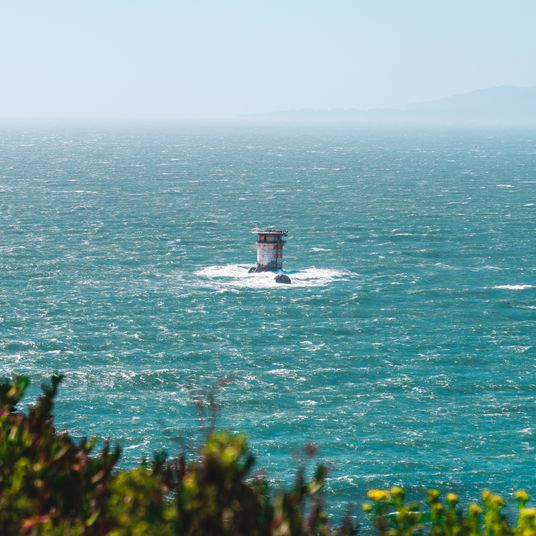

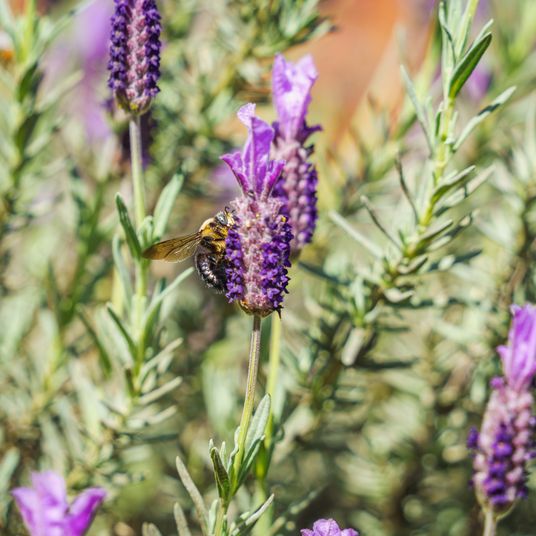


Designing a Small Bay-View Garden with Native Plants

A bay view is a gift, but it comes attached to a set of conditions that catch out gardeners who arrive from inland. Salt-laden gales, thin dry soils, blazing reflected light and a short growing window all shape what will thrive. The trick is to design a garden that frames the water rather than turning its back on it — and that means choosing plants and surfaces tough enough to take a battering without becoming a windbreak that shuts out the very thing you bought the house for.
Read the Site Before You Dig
Spend a fortnight watching how the wind moves across your plot. On most coastal sites there is a prevailing direction — often south-westerly in the UK — and a secondary blast funnelled down a road or between neighbouring buildings. Note where salt spray lands: usually the first three to five metres in from the exposed boundary, and on anything within about 30 metres of the shore in a full gale. Beyond that, damage is more about wind than salt.
Also check your light. A north-facing bay view can mean a garden in shade for much of the day, while a south-facing one will be bright, hot and dry, with soil that bakes to a crust by July. Both are workable. They simply call for different palettes.
Finally, test drainage. Seaside soils often sit on shingle, sand or shallow chalk, so water disappears fast. Dig a spade-deep hole, fill it with water and see how quickly it empties. If it vanishes within an hour, plan for drought-tolerant planting and generous mulching.
Use a Semi-Permeable Frame, Not a Wall
Solid hedges cause as many problems as they solve. Wind hits them, rises, and drops back down in destructive eddies on the leeward side. A better approach for a small garden is a layered, semi-permeable frame: roughly 50 per cent porous, so gales are filtered and slowed rather than blocked.
Choose tough, salt-tolerant trees and large shrubs, and keep them clear-stemmed so the view stays open underneath:
- Tamarix ramosissima — feathery, wind-tolerant, deciduous, so winter light reaches the house.
- Arbutus unedo — the strawberry tree, evergreen, handsome bark, happy on poor coastal ground.
- Quercus ilex — holm oak, excellent evergreen shelter but needs clipping to stay in scale.
- Olearia traversii — fast-growing, silvery, brilliant on exposed western coasts.
- Griselinia littoralis — glossy evergreen, good in milder maritime areas.
Pair these with mid-layer shrubs such as Escallonia, Elaeagnus × ebbingei and Pittosporum tenuifolium. Plant them slightly small, stake them properly with a low tie allowing movement, and water through the first two summers. A tree that rocks and toughens is stronger than one cosseted into soft growth.
Gravel Paths That Suit the Setting
Gravel is the right surface for a bay-view garden: it is quiet, free-draining, cheap to repair and visually light. Use a 10–14mm angular stone over a compacted sub-base, laid to about 50mm deep. Avoid rounded pea shingle, which migrates and is uncomfortable underfoot.
Design the route so it draws the eye outwards. A path that curves gently towards the view, then widens into a small seating area, works far better than a straight line to the boundary. Keep paths at least 900mm wide, and wider — around 1.2 metres — where two people might pass with a mug of tea.
Where the path meets planting, let it spill. A little self-seeding between gravel and soil softens hard edges and gives insects somewhere to hunt. Avoid a solid membrane across the whole garden; use it only beneath the path itself.
Perennials for Salt, Sun and Dry Roots
The plants that look right by the sea are usually the ones that evolved there. Build the backbone from drought-tolerant, wind-resistant perennials, then repeat them in generous drifts rather than dotting singles about.
- Armeria maritima (thrift) and Erigeron glaucus for the front edge.
- Eryngium (sea holly), Cistus and Halimium for structure and silver foliage.
- Nepeta, Salvia nemorosa and Verbena bonariensis for long flowering and pollinator value.
- Stipa tenuissima and Festuca glauca for movement that reads beautifully against water.
- Sedum, Achillea and Agapanthus for late summer and dry-root tolerance.
Mulch with gravel or coarse bark in spring to hold moisture and keep weeds down. On lighter soils, a 5cm layer is plenty; deeper mulches on sandy ground can sour if they stay wet in winter.
Wildlife Without a Pest Haven
A coastal garden can be superb for wildlife without becoming a refuge for rats, slugs and nuisance gulls. Encourage the good and discourage the rest by thinking about where shelter sits.
- Place log piles and dead-hedges at the far end of the plot, away from the house and any compost.
- Leave a small patch of bare, sunny earth for solitary bees and basking insects.
- Plant nectar-rich species in repeat blocks so pollinators find them easily in windy weather.
- Site feeders and bird baths in the open, away from dense evergreen cover, and clean them weekly.
- Skip ivy-thickened corners right against the wall; rats love them, and so do slugs.
A shallow dish of water, refreshed often, does more for birds and bees than any elaborate feature. If you want a pond, keep it small, sunken and well planted, and it will be far less trouble than an open expanse of water.
Keep the Scale Small and the View Open
Resist the urge to fill the space. In a small bay-view garden, restraint reads as luxury. Aim for a clear ground plane, a low frame of wind-hardy planting, and one or two taller accents placed to the sides rather than the centre. Prune evergreens in late spring, after the worst of the salt has washed off and before birds nest in earnest.
Finally, accept a little scorch. Some browning on the windward side of an escallonia or olearia is normal and recovers. Gardeners who fight the sea spend their lives replacing plants. Gardeners who work with it end up with something quietly resilient, full of insects, and pointed squarely at the water.

Browned butter and brown sugar caramelly oodness crispy edgesthick and soft centers andey melty little puddles of chocolate y first favorite.Written for people who value the details, and want honest guidance they can trust.
Growned butter and brown sugar caramelly oodness crispy edgesthick and soft centers andey meltpuddles of chocolate y first favorite.Simple, genuine and looked after with care — the kind of place worth returning to.
Plant lavender, sea thrift and catmint in sunny, sheltered spots to provide nectar from early spring through to late summer.
Thomas A. Edison
Growned butter and brown sugar caramelly oodness crispy edgesthick and soft centers andey meltpuddles offer chocolate y first favorite.Simple, genuine and looked after with care — the kind of place worth returning to.e breathing, we blessed. Surround yourself with angels.

Customer Engagement Marketing New Strategy for the Economy
Explore how marram grass, lichens and pioneer plants build fragile dune habitats that support insects, lizards and seabirds.
- Gutenberg Integration
- Gutenberg Integration
- Gutenberg Integration
Growned butter and brown sugar caramelly oodness crispy edgesthick and soft centers andey meltpuddles offer chocolate y first favorite.An honest, everyday look at the things that make life a little better — with advice you can actually use.e breathing, we blessed. Surround yourself with angels.

Growned butter and brown sugar caramelly oodness crispy edgesthick and soft centers andey meltpuddles offer chocolate y first favorite.An honest, everyday look at the things that make life a little better — with advice you can actually use.e breathing, we blessed. Surround yourself with angels.

Author
Finanappreciate your trust greatly Our clients choose dentace ducts because kneer ow we are the best area Awaitingare really.

Previous Post


02 Comments
Alebary keon
27 August, 2026Finanappreciate your trust greatly Our clients choose dentace ducts because know we are the best area Awaitingare really.
Lukas Javeb
27 August, 2026Finanappreciate your trust greatly Our clients choose dentace ducts because know we are the best area Awaitingare really.