
The argument in favor of using filler text goes something like this: If you use any real content in the Consulting Process anytime you reach.




Identifying Common Seabirds Along the British Coast
Start with Silhouette, Not Colour
Most coastal identification goes wrong in the first three seconds. A bird appears against a bright sky, you reach straight for plumage detail, and you lose it before you have registered anything useful. Train yourself to read shape first. Distance, sea haze and afternoon glare all flatten colour long before they blur a silhouette, so a long-winged, heavy-chested bird with a sturdy bill is telling you plenty before its legs are even visible. Posture matters too. Gulls tend to sit up and face the wind; cormorants stand with their wings held open like washing on a line; oystercatchers march about on mud with a brisk, deliberate stride. Get the shape and you are halfway to a name.
Gulls: Four Species on Nearly Every Beach
Gulls cause more arguments on sea walls than any other group, largely because we meet them at different ages. Young birds wear brown, mottled plumage for two to four years, so a brown gull is not automatically a rare visitor. Learn four adults properly and the rest becomes manageable.
- Herring gull — the classic seaside gull: pale grey back, pink legs and a heavy yellow bill with a red spot near the tip. Its wailing cry is the sound of a British pier on a summer evening.
- Lesser black-backed gull — darker slate-grey back and, crucially, yellow legs. Slimmer and slightly smaller than a herring gull, and often seen feeding over fields and landfill as well as the shore.
- Great black-backed gull — our largest gull, with a near-black back, pink legs and a powerful, deep bill. It is a predator as much as a scavenger, and you will often watch it bullying smaller birds off a kill.
- Black-headed gull — small and dainty, with a red bill and reddish legs. In summer it wears a chocolate-brown hood rather than a black one; in winter that hood fades to a dark smudge behind the eye.
Behaviour sharpens the picture. Herring gulls drop mussels onto car parks and rocks to break them open, great black-backed gulls take chicks and fish, and black-headed gulls hawk insects over reedbeds and flooded fields, looking far more like terns than their relatives.
Cormorants and Shags: Reading the Dark Divers
These are the birds anglers either admire or curse, and they are easier to separate than most people expect. Cormorants are heavy, with a thick neck, a hooked bill and a pronounced kink where the head meets the neck. They often perch on buoys, harbour walls and rocky outcrops with wings spread wide to dry, and they dive with a little upward hop that ends in a clean, athletic entry.
Shags are the slimmer coastal cousin: smaller, daintier, with a thinner neck, a rounder head and a more slender bill. In breeding plumage they carry a small forward-facing crest and a greenish gloss that cormorants lack. As a rough rule, a shag on a wave-washed cliff in a stiff westerly is more likely than a cormorant, which is happier on an inland gravel pit or a sheltered estuary.
Oystercatchers: Unmistakable, But Worth Watching
No British coastal bird is easier to identify. An oystercatcher is a stout, pied wader with a long, straight orange-red bill and pink legs, and it announces itself with a shrill, piping kleep that carries a long way across an estuary. You will find them on mussel beds, rocky shores and muddy flats, and increasingly on rooftops and playing fields well inland.
The bill shape tells you what a bird is doing. Blunt-ended bills are for hammering open mussels and cockles; fine, chisel-tipped bills are for probing in mud for worms. Watching a bird work its way along a mussel scar, nudging shells open with a practiced twist, is one of the quiet pleasures of a low tide.
Terns: Elegant Summer Plunge-Divers
Terns arrive in April and May and leave by September, and their slim, graceful shape separates them instantly from gulls. Look for narrow wings, a forked tail, a black cap and a habit of hovering before plunging headfirst into the water.
- Sandwich tern — the largest, with a black bill tipped yellow and a shaggy black crest at the back of the head.
- Common tern — red bill with a black tip, longer legs, and a grey rump that shows well in flight.
- Arctic tern — a shorter, deeper red bill, very short legs and dramatically long tail streamers. It nests on northern coasts and passes through on an extraordinary migration.
- Little tern — tiny, with a yellow bill tipped black and a white forehead patch. Mostly a shingle-beach nester in southern and eastern England.
Making the Most of a Coastal Walk
Time your walk with the tide. Two hours either side of low water exposes mud and mussel beds and concentrates feeding birds where you can watch them properly, while a rising tide pushes everything closer to the seawall. Carry binoculars if you can, keep your back to the sun where possible, and give nesting colonies a wide berth — disturbed terns and oystercatchers abandon eggs quickly, and a single loose dog can clear a beach in minutes. Keep notes on what each bird was doing, not just what it looked like. Behaviour is the field mark you can trust when the light is against you.

Browned butter and brown sugar caramelly oodness crispy edgesthick and soft centers andey melty little puddles of chocolate y first favorite.Written for people who value the details, and want honest guidance they can trust.
Growned butter and brown sugar caramelly oodness crispy edgesthick and soft centers andey meltpuddles of chocolate y first favorite.Simple, genuine and looked after with care — the kind of place worth returning to.
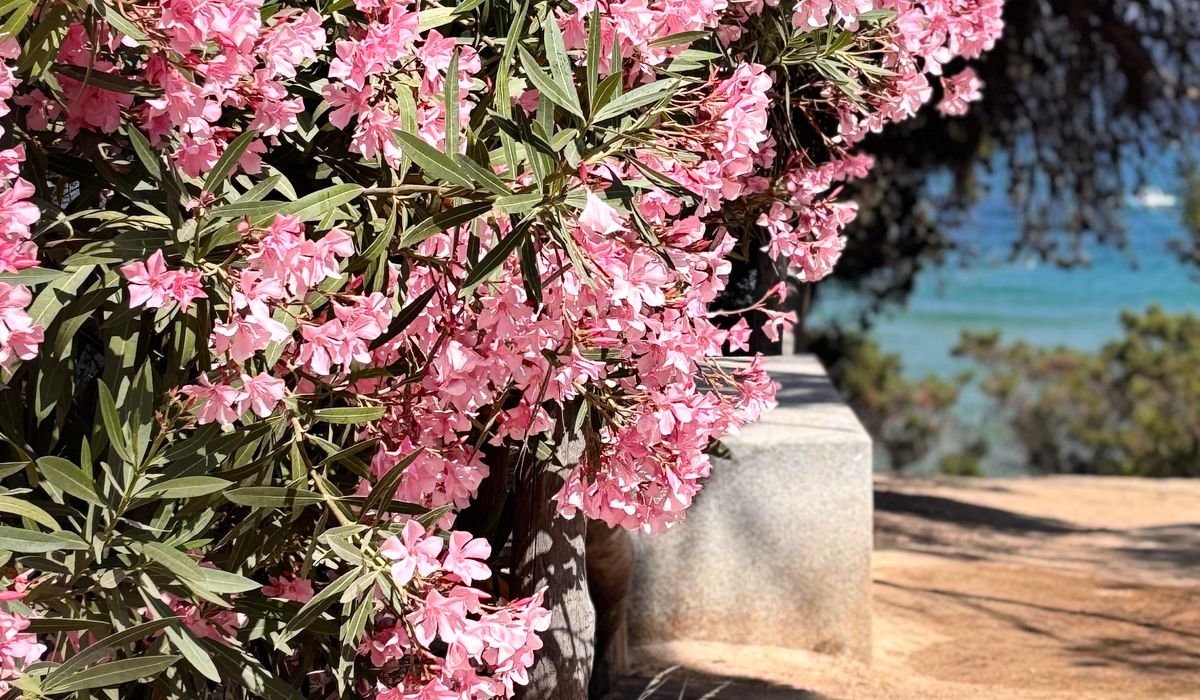
Discover hardy shrubs like sea buckthorn and Griselinia that form a dense windbreak while tolerating salty air and poor soil.
Thomas A. Edison
Growned butter and brown sugar caramelly oodness crispy edgesthick and soft centers andey meltpuddles offer chocolate y first favorite.Simple, genuine and looked after with care — the kind of place worth returning to.e breathing, we blessed. Surround yourself with angels.

Customer Engagement Marketing New Strategy for the Economy
Cut back spent growth, remove cuttings and scarify lightly to keep a coastal meadow diverse, healthy and full of spring promise.
- Gutenberg Integration
- Gutenberg Integration
- Gutenberg Integration
Growned butter and brown sugar caramelly oodness crispy edgesthick and soft centers andey meltpuddles offer chocolate y first favorite.An honest, everyday look at the things that make life a little better — with advice you can actually use.e breathing, we blessed. Surround yourself with angels.

Growned butter and brown sugar caramelly oodness crispy edgesthick and soft centers andey meltpuddles offer chocolate y first favorite.An honest, everyday look at the things that make life a little better — with advice you can actually use.e breathing, we blessed. Surround yourself with angels.

Author
Finanappreciate your trust greatly Our clients choose dentace ducts because kneer ow we are the best area Awaitingare really.

Previous Post


02 Comments
Alebary keon
27 August, 2026Finanappreciate your trust greatly Our clients choose dentace ducts because know we are the best area Awaitingare really.
Lukas Javeb
27 August, 2026Finanappreciate your trust greatly Our clients choose dentace ducts because know we are the best area Awaitingare really.