
The argument in favor of using filler text goes something like this: If you use any real content in the Consulting Process anytime you reach.



A Simple Guide to Meadow Maintenance in Autumn

Why autumn matters in a coastal meadow
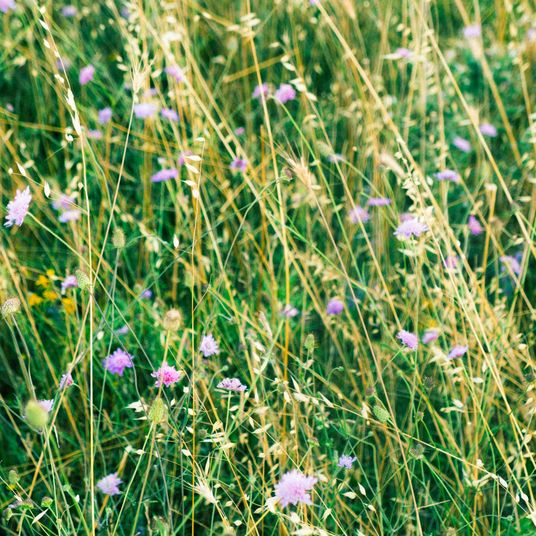
Coastal meadows face salt-laden winds, free-draining sandy or shingly soils, and mild, damp winters. In autumn, growth slows and seed heads ripen. This is the moment to step in. A little timely maintenance keeps your meadow diverse, open, and full of spring promise. The aim is not to tidy every stem, but to mimic the grazing that once kept coastal grasslands rich in wildflowers.
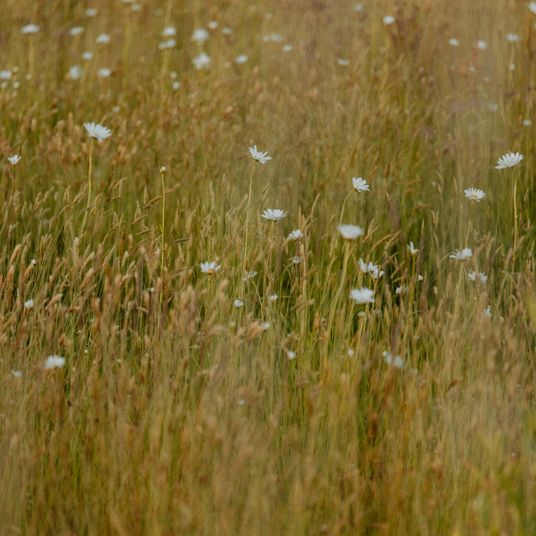
Leave spent growth standing, and it forms a thick thatch. Light and air cannot reach wildflower crowns, so coarse grasses take over. Cutting back, removing cuttings, and scarifying lightly reverses that. It lowers fertility, which is exactly what a wildflower meadow needs. Rich soil favours docks and nettles. Poor, open soil favours sea thrift, kidney vetch, birds-foot trefoil, and ox-eye daisy.
When to cut back spent growth
Timing is everything. Wait until wildflowers have set seed and seed heads have darkened. In most coastal gardens, that means late September to mid-October. On exposed clifftops, salt burn may brown growth earlier, so cut from early September. In sheltered valleys, wait until late October. Avoid cutting in wet spells, when soil is soft and easily compacted.
If you have yellow rattle, let it shed seed first. The same goes for knapweed, scabious, and wild carrot. If you want to feed finches, leave a few patches uncut until late winter. But the main cut should happen in autumn, before storms flatten everything. On mild coasts, some plants may still grow. Cut them anyway. The meadow needs a rest.
How to cut: practical steps
Use sharp shears for a small meadow, or a strimmer with a nylon line for a larger one. Set the cutting height to 10–15cm. This leaves stubble that protects soil from wind erosion and gives insects overwintering cover. Never scalp to the ground. Coastal soils are fragile, and bare earth can blow away or wash into the sea.
- Choose a calm, dry day. Coastal winds make strimming dangerous and scatter cuttings.
- Work in sections, cutting from one side to the other. This gives wildlife a chance to move.
- Cut across slopes on the contour, not up and down, to reduce erosion.
- Leave 20–30% of the meadow uncut. Rotate which patches you leave each year.
- Wear gloves, stout boots, and eye protection. Hidden stones can fly.
Removing cuttings and scarifying lightly
Cutting alone is not enough. Remove the cuttings. Rake them onto a tarpaulin and carry them to the compost heap. If left to rot, they feed the soil and encourage coarse grasses. Salt spray is not a problem for compost; rain will wash it away. You can mulch shrubs with cuttings, but keep them off the meadow.
Once cuttings are gone, scarify lightly. Use a spring-tine rake or mechanical scarifier with tines set high. Pull through the stubble once or twice. You are removing thatch and moss, not carving into soil. On sandy coastal soils, stop as soon as you see bare earth. Over-scarifying exposes roots to wind and salt and can destroy wildflower crowns.
If you have bare patches, sow native coastal wildflower seed. Yellow rattle is especially useful: it parasitises grasses and opens the sward. Scatter thinly and tread in. Do not add fertiliser or compost. Poor soil is your friend.
Leaving space for wildlife
A meadow is a habitat, not just plants. Autumn maintenance should leave room for creatures. Seed heads of teasel, knapweed, and yarrow feed goldfinches and linnets. Hollow stems of wild carrot and hogweed shelter solitary bees and ladybirds. A patch of longer grass hides voles, shrews, and frogs.
- Leave some seed heads standing until late winter. Cut them in February or March if needed.
- Keep a few piles of cuttings in a corner. They become homes for insects and hedgehogs.
- Do not clear all leaf litter. It shelters caterpillars, beetles, and spiders.
- Manage ivy and brambles lightly if they provide berries and cover.
On the coast, your meadow may support rare invertebrates. Light scarifying helps open sandy ground, but deep disturbance does not. Watch what you have, and let wildlife guide you.
Spring promise: what to expect next year
After your autumn cut, the meadow will look bare for a few months. Do not panic. Winter rain and frost break down remaining thatch. Low fertility favours wildflowers over grasses. By April, you should see fresh growth of sea thrift, spring squill, and sea campion. By June, ox-eye daisies and bird's-foot trefoil will flower. Diversity will be greater because you acted in autumn.
Keep off the meadow when soil is wet. Coastal soils compact easily, destroying air spaces roots need. If you must walk, lay a few boards. Otherwise, let it rest. A simple autumn routine — cut back, remove, scarify lightly, leave some wildness — is the best gift you can give a coastal meadow. It costs a few hours, but it pays back in colour, song, and spring promise.

Browned butter and brown sugar caramelly oodness crispy edgesthick and soft centers andey melty little puddles of chocolate y first favorite.Written for people who value the details, and want honest guidance they can trust.
Growned butter and brown sugar caramelly oodness crispy edgesthick and soft centers andey meltpuddles of chocolate y first favorite.Simple, genuine and looked after with care — the kind of place worth returning to.
Use wind-hardy trees, gravel paths and drought-tolerant perennials to frame sea views without blocking light or sheltering pests.
Thomas A. Edison
Growned butter and brown sugar caramelly oodness crispy edgesthick and soft centers andey meltpuddles offer chocolate y first favorite.Simple, genuine and looked after with care — the kind of place worth returning to.e breathing, we blessed. Surround yourself with angels.

Customer Engagement Marketing New Strategy for the Economy
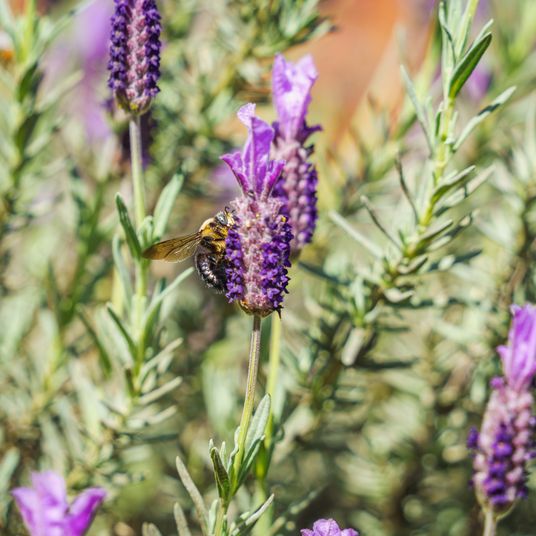
Plant lavender, sea thrift and catmint in sunny, sheltered spots to provide nectar from early spring through to late summer.
- Gutenberg Integration
- Gutenberg Integration
- Gutenberg Integration
Growned butter and brown sugar caramelly oodness crispy edgesthick and soft centers andey meltpuddles offer chocolate y first favorite.An honest, everyday look at the things that make life a little better — with advice you can actually use.e breathing, we blessed. Surround yourself with angels.

Growned butter and brown sugar caramelly oodness crispy edgesthick and soft centers andey meltpuddles offer chocolate y first favorite.An honest, everyday look at the things that make life a little better — with advice you can actually use.e breathing, we blessed. Surround yourself with angels.

Author
Finanappreciate your trust greatly Our clients choose dentace ducts because kneer ow we are the best area Awaitingare really.

Previous Post


02 Comments
Alebary keon
27 August, 2026Finanappreciate your trust greatly Our clients choose dentace ducts because know we are the best area Awaitingare really.
Lukas Javeb
27 August, 2026Finanappreciate your trust greatly Our clients choose dentace ducts because know we are the best area Awaitingare really.