
The argument in favor of using filler text goes something like this: If you use any real content in the Consulting Process anytime you reach.
Understanding Sand Dune Ecology on the Coast
The shifting ground beneath your feet
A sand dune is not a pile of sand with a few plants on top. It is a living structure, built grain by grain by the vegetation that holds it together, and it changes with every gale. If you garden, walk or simply live near the coast, understanding how dunes work makes you a better neighbour to them — and a more successful gardener on the thin, salty, free-draining soils that come with seaside living.
Dunes form where there is a good supply of dry sand, a prevailing onshore wind and something to slow the sand down. That something is usually a plant. Take away the plant and the dune will move, or vanish altogether.
Pioneers of the sand: marram, lichen and sand couch
The first plants to gain a foothold are the pioneers, and they are tough in ways that are easy to underestimate.
- Sand couch creeps along the strandline with long underground stems, catching the first sand blown off the beach.
- Marram grass takes over further up. Its rolled, wiry leaves shrug off salt spray and drought, and it grows upwards as sand buries it, trapping layer upon layer.
- Lichens and mosses arrive once the surface settles, forming a crust that holds moisture and shelters seeds and tiny invertebrates.
Marram is the architect of the foredune. Its deep, matted roots knit the sand into a ridge that can stand a metre or more above the beach. Because it is so important, it is protected in many places: uprooting marram or carting sand away from a dune system is an offence, and for good reason.
From yellow dune to dune slack
Walk inland from the sea and you cross a series of habitats in miniature, each only a few metres wide but decades or centuries apart in development.
- Strandline and foredune — raw sand, sea rocket, orache and the first marram tussocks.
- Yellow dunes — still mostly bare sand, still building, with marram, sea holly and the occasional pyramidal orchid.
- Grey dunes — the surface has darkened with lichen, moss and humus; the sand is fixed and the plant list lengthens.
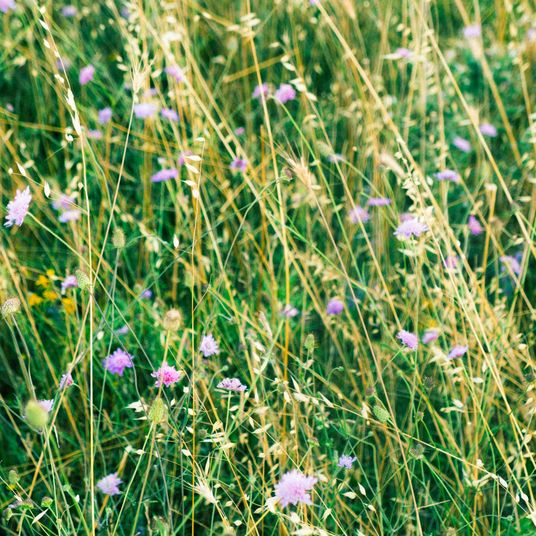
- Dune slacks — hollows that drop to the water table, damp in winter, where creeping willow, orchids and rushes thrive.
Older dunes leach and become more acidic, whereas fresh sand rich in shell fragments is strongly alkaline. Two spots a few paces apart can support completely different plants. That variety is exactly what makes dune systems so rich in wildlife.
Wildlife that calls the dunes home
Bare, warm sand is a habitat in its own right. Solitary bees, digger wasps and sand wasps nest in south-facing slopes, and their burrows need open ground — one reason heavy footfall is so damaging. The natterjack toad and the rare sand lizard both depend on dunes, the lizard needing a mosaic of bare sand for basking and dense marram for cover.
Butterflies and moths follow the flowers, with dark green fritillary, grayling and the tiny small blue among the specialists. On the upper beach, ringed plover and oystercatcher scrape nests in the shingle, while little terns nest in loose colonies on the sand. Skylarks and meadow pipits sing above the marram. Between April and July, a dog off the lead can clear a colony in an afternoon.
Gardening on the edge: making sandy soil work
If your plot sits behind the dunes, your soil is likely thin, quick-draining and low in nutrients, with salt-laden wind pruning everything on the seaward side. Treat those as conditions to design for rather than fight.
- Improve gently. Dig in well-rotted compost or leafmould each spring. Don't over-fertilise: rich soil gives you floppy growth and fewer flowers.
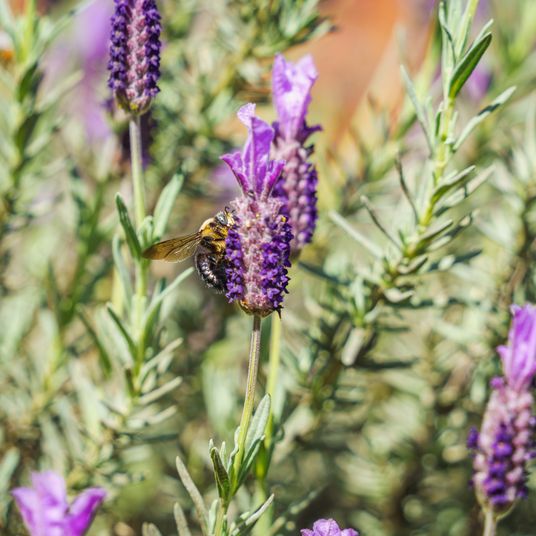
- Choose coastal plants. Sea thrift, sea campion, lavender, rosemary, hardy geraniums, sedums and drought-tolerant grasses all cope with wind and salt. Grey and silver foliage shrugs off spray especially well.
- Build a windbreak. A permeable screen of hawthorn, elder or native hedging filters wind far better than a solid fence, which simply creates damaging turbulence behind it.
- Mulch. A gravel or bark mulch conserves moisture and keeps wind-blown sand from smothering small plants.
- Keep it native where you can. Avoid suckering plants such as sea buckthorn unless you have the space to control them, and never plant garden escapes on or beside a dune.
Living lightly: caring for dunes while you enjoy them
Dunes are fragile in a very literal sense. A single footprint can crush a lichen that took years to grow, and a few seasons of shortcutting can open a blowout that takes decades to heal. Small habits make a real difference.
- Use boardwalks and marked paths, and keep to the beach rather than the dunes where you can.
- Keep dogs on leads on the upper beach and dunes from spring to late summer.
- Take everything home, including fruit peel — food scraps draw predators that raid nests.
- No fires, no barbecues on the sand, and no digging.
- Join a local conservation group's dune work party; scrub clearance and path repairs are usually done by volunteers.
Look after the marram and the lichen and the rest follows: the bees, the lizards, the terns, and a coastline that holds its shape against the winter storms.

Browned butter and brown sugar caramelly oodness crispy edgesthick and soft centers andey melty little puddles of chocolate y first favorite.Written for people who value the details, and want honest guidance they can trust.
Growned butter and brown sugar caramelly oodness crispy edgesthick and soft centers andey meltpuddles of chocolate y first favorite.Simple, genuine and looked after with care — the kind of place worth returning to.
Choose compact varieties, use low tunnels and add organic matter to protect crops from salt, wind and rapid drainage.
Thomas A. Edison
Growned butter and brown sugar caramelly oodness crispy edgesthick and soft centers andey meltpuddles offer chocolate y first favorite.Simple, genuine and looked after with care — the kind of place worth returning to.e breathing, we blessed. Surround yourself with angels.

Customer Engagement Marketing New Strategy for the Economy
Line a shallow pond with native oxygenators and edge it with stones to welcome frogs, dragonflies and bathing birds.
- Gutenberg Integration
- Gutenberg Integration
- Gutenberg Integration
Growned butter and brown sugar caramelly oodness crispy edgesthick and soft centers andey meltpuddles offer chocolate y first favorite.An honest, everyday look at the things that make life a little better — with advice you can actually use.e breathing, we blessed. Surround yourself with angels.

Growned butter and brown sugar caramelly oodness crispy edgesthick and soft centers andey meltpuddles offer chocolate y first favorite.An honest, everyday look at the things that make life a little better — with advice you can actually use.e breathing, we blessed. Surround yourself with angels.

Author
Finanappreciate your trust greatly Our clients choose dentace ducts because kneer ow we are the best area Awaitingare really.

Previous Post


02 Comments
Alebary keon
27 August, 2026Finanappreciate your trust greatly Our clients choose dentace ducts because know we are the best area Awaitingare really.
Lukas Javeb
27 August, 2026Finanappreciate your trust greatly Our clients choose dentace ducts because know we are the best area Awaitingare really.