
The argument in favor of using filler text goes something like this: If you use any real content in the Consulting Process anytime you reach.



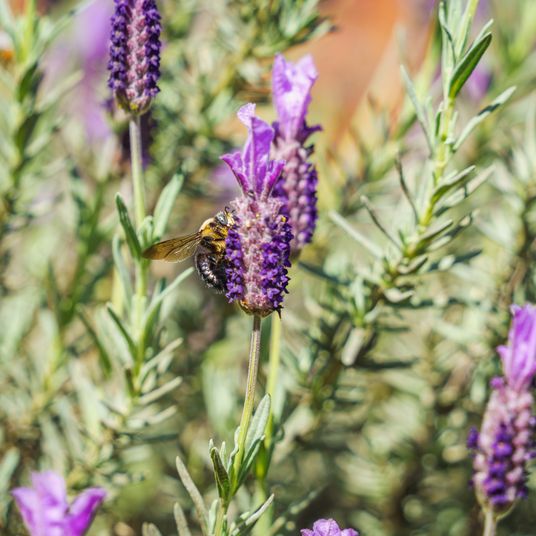


How to Make Leaf Mould for Seaside Soil

Why Coastal Soil Cries Out for Leaf Mould
Anyone gardening within earshot of the sea knows the struggle. Sandy soil drains before a watering can has finished pouring, nutrients vanish with the first winter gale, and salt-laden wind dries the surface to a crust. Digging in bags of bought compost helps, but it is expensive and never quite enough. Leaf mould is the answer, and it costs nothing but a little patience.
Unlike compost, leaf mould is low in nutrients, so it will not burn young roots or push soft, sappy growth that coastal winds will shred. What it does superbly is build humus. That dark, crumbly material holds water like a sponge, binds loose sand into something workable and buffers the worst of the salt. Two or three autumns of leaf collecting can transform a thin seaside border into soil that actually keeps its moisture through a dry August.
Which Leaves Are Worth Collecting
Not every leaf is equal, and a little sorting at the outset saves disappointment later.
- Slow but superb: oak, beech and hornbeam take up to two years but make the finest, most friable leaf mould of all.
- Quick and easy: sycamore, ash, lime, birch and horse chestnut break down within a year and are ideal if you want results sooner.
- Best avoided: evergreen leaves, holm oak, laurel and pine needles are thick, waxy and acidic. Pine needles can be composted separately for acid-loving plants, but they will not give you general-purpose leaf mould.
- Leave well alone: walnut leaves, and any foliage from roses or fruit trees showing signs of disease. Burn or bin those rather than spreading problems around the garden.
A mixture is perfectly fine. If your street is lined with sycamore and your back hedge is beech, simply layer them together and let nature sort it out.
Building a Simple Wire Bin
A wire bin is the classic method because it lets air and rain in while keeping the leaves from blowing down the road. Buy galvanised weld mesh, roughly a metre wide, and knock four sturdy wooden posts into the ground in a square about a metre apart. Staple the mesh around the outside, leaving the base open to the soil so worms and beetles can move in.
Position matters enormously by the coast. Tuck the bin behind a shed, hedge or fence where the prevailing wind cannot reach it, and where it gets dappled shade rather than full sun. A bin in an exposed spot will shed its contents in the first November storm. If space allows, build two bins side by side, so you can turn one heap into the other to speed things along.
Filling and Looking After the Heap
Rake leaves up on a dry day and add them in thin layers rather than dumping them in heaps. Tread each layer down lightly as you go, which stops the middle turning into a dry, matted brick. A couple of handfuls of garden soil or old leaf mould scattered through the layers introduces the fungi that do the real work.
- Water the heap if the leaves are bone dry, aiming for the dampness of a wrung-out sponge.
- Add thin layers of grass clippings between leaves to speed decomposition, but never thick ones, which turn slimy and airless.
- Weight the top with a board, an old piece of carpet or a sheet of mesh. On an exposed coastal plot this is not optional.
- Check monthly in dry spells and top up with water. Coastal humidity helps, but wind dries a heap surprisingly fast.
The Patient Year
Now comes the hard part: doing nothing. Leaf mould is not compost, and it will not be ready in a fortnight. After twelve months the contents will have shrunk by half or more and the bottom of the heap will be dark, crumbly and smelling pleasantly of woodland floor. Oak and beech may need a second year.
If you can still recognise individual leaves when you lift a handful, give it more time. Turning the heap once in late summer aerates it and evens out the rotting. A rough sieve separates the finished material from the stems and leaf stalks, which can go back in for another round.
Putting It to Work in a Seaside Garden
Use leaf mould as a mulch, spread 5–8cm deep around shrubs, roses and perennials in spring. It locks moisture into sandy ground and slowly feeds the soil life beneath. Fork a generous layer into vegetable beds and borders in autumn, and mix it half and half with garden compost for potting or raised beds.
It is also a quiet gift to wildlife. A leaf heap is a hibernation site for hedgehogs, toads and countless insects, and blackbirds and robins will patrol it for grubs. Leave a corner of fallen leaves beneath a hedge, undisturbed, and the garden will reward you twice over. Free, slow and quietly brilliant — leaf mould is the best autumn habit a coastal gardener can keep.

Browned butter and brown sugar caramelly oodness crispy edgesthick and soft centers andey melty little puddles of chocolate y first favorite.Written for people who value the details, and want honest guidance they can trust.
Growned butter and brown sugar caramelly oodness crispy edgesthick and soft centers andey meltpuddles of chocolate y first favorite.Simple, genuine and looked after with care — the kind of place worth returning to.
Try daffodils, alliums and snowdrops in free-draining spots where they will naturalise and return stronger each spring.
Thomas A. Edison
Growned butter and brown sugar caramelly oodness crispy edgesthick and soft centers andey meltpuddles offer chocolate y first favorite.Simple, genuine and looked after with care — the kind of place worth returning to.e breathing, we blessed. Surround yourself with angels.

Customer Engagement Marketing New Strategy for the Economy
Learn key features of sea thrift, kidney vetch and yellow horned-poppy to identify them safely without picking protected plants.
- Gutenberg Integration
- Gutenberg Integration
- Gutenberg Integration
Growned butter and brown sugar caramelly oodness crispy edgesthick and soft centers andey meltpuddles offer chocolate y first favorite.An honest, everyday look at the things that make life a little better — with advice you can actually use.e breathing, we blessed. Surround yourself with angels.

Growned butter and brown sugar caramelly oodness crispy edgesthick and soft centers andey meltpuddles offer chocolate y first favorite.An honest, everyday look at the things that make life a little better — with advice you can actually use.e breathing, we blessed. Surround yourself with angels.

Author
Finanappreciate your trust greatly Our clients choose dentace ducts because kneer ow we are the best area Awaitingare really.

Previous Post


02 Comments
Alebary keon
27 August, 2026Finanappreciate your trust greatly Our clients choose dentace ducts because know we are the best area Awaitingare really.
Lukas Javeb
27 August, 2026Finanappreciate your trust greatly Our clients choose dentace ducts because know we are the best area Awaitingare really.