
The argument in favor of using filler text goes something like this: If you use any real content in the Consulting Process anytime you reach.
Planting Trees for Windbreaks Near the Shore

What Coastal Wind Really Does to a Garden
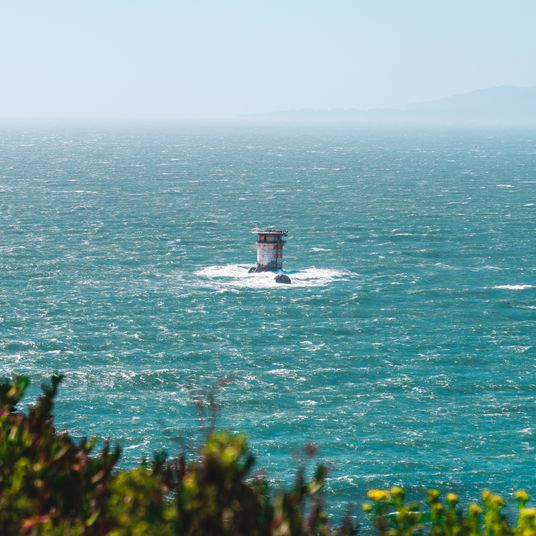
If you garden within a few hundred metres of the shore, you will know that sea wind is a different creature from the breeze that ruffles an inland plot. It arrives laden with salt, it rarely lets up, and it scorches and shreds foliage in a way that no amount of watering can undo. Leaf margins turn brown, new growth comes through distorted, and anything tall and thin is eventually snapped or leaned right over. The result is that familiar coastal look: plants growing low and hugging the ground, clipped into cushions by the wind. A windbreak changes all of that. Filter even a little of that force and you buy yourself warmer air, a longer growing season and a much wider choice of plants to grow behind it.
Filter, Don't Block
There is a strong temptation to build a solid wall and have done with it. Do resist it. A solid barrier sends the wind up and over, then dumps it in violent eddies on the sheltered side, exactly where your tender plants are sitting — and the damage can be worse than leaving things open. A permeable shelter belt, one that lets perhaps half the wind through, slows it gently and calms the air for a distance of roughly ten to fifteen times its height. A belt three metres tall can therefore shelter thirty metres of garden. Two or three staggered rows of mixed species will do far more for you than a single line of the same tree.
Sturdy Species for Exposed Sites
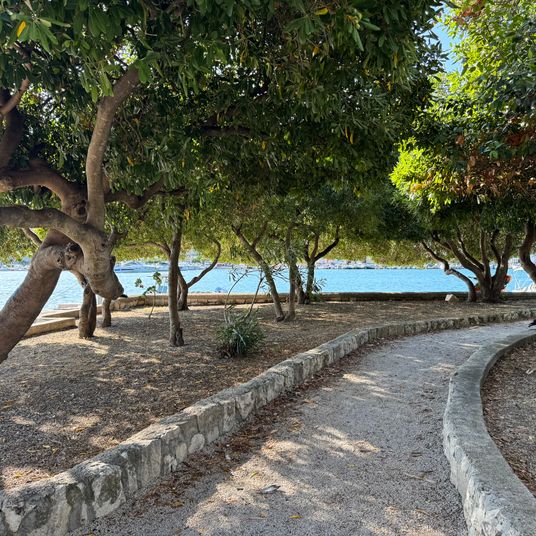
Choose trees that have adapted to wind, salt and thin, free-draining soils. Native broadleaves are the backbone of a coastal shelter belt: tough, wildlife-friendly, and cheap to plant in quantity as bare-root whips. Aim for a mix rather than a monoculture — if one species suffers, the belt as a whole carries on.
- Hawthorn (Crataegus monogyna) — the best all-rounder for a coastal boundary: salt-tolerant, happy on almost any soil, and generous with berries for redwings and fieldfares.
- Field maple (Acer campestre) — compact and lime-tolerant, with buttery autumn colour and leaves that feed a good range of moths. Ideal for the inner row.
- Blackthorn (Prunus spinosa) — fiercely thorny, making a dense barrier as well as sloes and early blossom for bees.
- Sea buckthorn (Hippophae rhamnoides) — a dune coloniser with silvery foliage; plant it on the outermost edge and give it room, as it suckers freely.
- Holm oak (Quercus ilex) — evergreen and remarkably salt-tolerant, holding its leaves through the worst of the winter gales.
- Scots pine (Pinus sylvestris) — useful for height and evergreen cover on sandy, acidic ground.
- Hazel, elder and wild cherry — undemanding fillers for the inner row, and all generous to wildlife.
Steer clear of fast-growing evergreens such as leylandii-type hedging: they race away, but they burn brown on the seaward side and give you a solid, turbulent barrier rather than a filtered one.
Planting a Belt That Actually Works
Prevailing winds across most of the UK arrive from the south-west, so plant the belt on that boundary first and extend it around the north and east if you have the space. Put bare-root trees in between November and March, while they are dormant, and avoid working in frost or waterlogged ground.
- Prepare a strip at least two metres wide, clearing weeds and breaking up compacted soil.
- Space whips 1.5 to 2 metres apart, staggering the rows so no tree sits directly behind another.
- Place the toughest, most salt-tolerant species on the outside, with more delicate ones in the lee.
- Firm every tree in well after planting — loose roots in a gale are the quickest way to lose them.
On the most exposed sites, a low earth bank a metre high along the seaward edge will lift the wind over the young trees and give them a far gentler start.
Staking and Support on an Exposed Site
Young trees need help to stay upright, but they also need to move a little so they thicken their trunks and anchor their roots properly. On a windswept coast, the short-stake method usually wins: drive a stout stake about 60 centimetres into the ground beside the tree, leaving only 30 to 45 centimetres above the surface, and tie the trunk to it with a soft, adjustable tie in a figure of eight. The tree can flex in the wind without rocking at the base. For larger trees with heavy crowns, use two stakes with a crossbar between them, and check the ties each year for rubbing or slackness. Remove the stakes after two or three growing seasons, once the roots have taken hold.
Aftercare and the Wildlife Dividend
Newly planted trees need water, not just rain, through their first two summers — around twenty litres a week each in dry spells, tipped on slowly so it soaks down to the roots. Mulch in a ring a metre across with well-rotted organic matter or bark, five to seven centimetres deep, keeping it clear of the trunk. Fit spiral guards against rabbits and deer, and walk the belt after gales to check for leaning stems. Salt-scorched foliage usually washes clean in the next good downpour, so do not panic and reach for the secateurs.
Be patient: a shelter belt takes five to ten years to come into its own, but the rewards begin long before that. Even a modest mix of hawthorn and field maple will slow the wind, hold your soil together, and fill with nesting birds, bees working the spring blossom and bats hunting along its sheltered edge. Once the belt is established, you will find yourself able to grow a whole new range of plants — and to enjoy the garden rather than simply defend it.

Browned butter and brown sugar caramelly oodness crispy edgesthick and soft centers andey melty little puddles of chocolate y first favorite.Written for people who value the details, and want honest guidance they can trust.
Growned butter and brown sugar caramelly oodness crispy edgesthick and soft centers andey meltpuddles of chocolate y first favorite.Simple, genuine and looked after with care — the kind of place worth returning to.
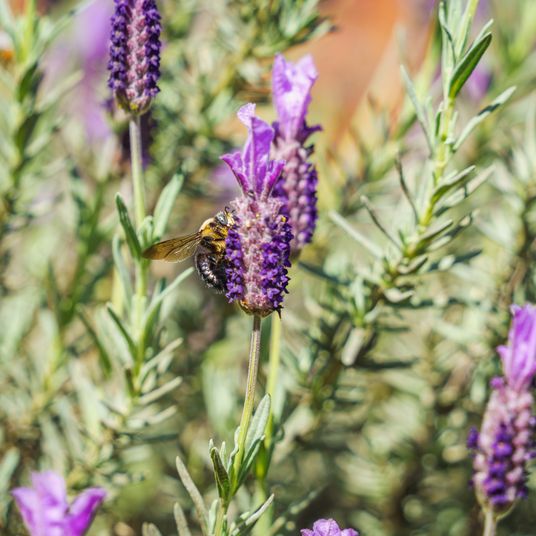
Choose tough grasses, low shrubs and sturdy perennials to build a border that survives salt spray and strong sea breezes.
Thomas A. Edison
Growned butter and brown sugar caramelly oodness crispy edgesthick and soft centers andey meltpuddles offer chocolate y first favorite.Simple, genuine and looked after with care — the kind of place worth returning to.e breathing, we blessed. Surround yourself with angels.

Customer Engagement Marketing New Strategy for the Economy
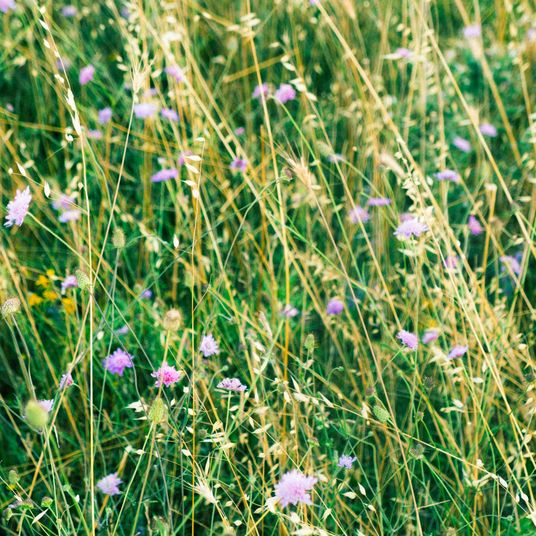
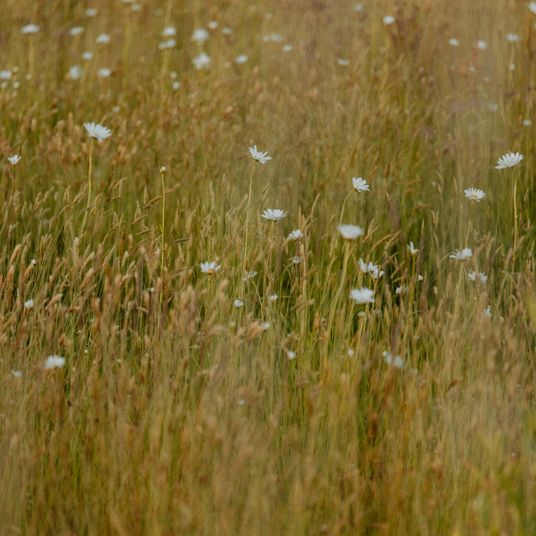
Sow yellow rattle, sea campion and bird's-foot trefoil to attract pollinators and create a colourful, low-maintenance coastal meadow.
- Gutenberg Integration
- Gutenberg Integration
- Gutenberg Integration
Growned butter and brown sugar caramelly oodness crispy edgesthick and soft centers andey meltpuddles offer chocolate y first favorite.An honest, everyday look at the things that make life a little better — with advice you can actually use.e breathing, we blessed. Surround yourself with angels.

Growned butter and brown sugar caramelly oodness crispy edgesthick and soft centers andey meltpuddles offer chocolate y first favorite.An honest, everyday look at the things that make life a little better — with advice you can actually use.e breathing, we blessed. Surround yourself with angels.

Author
Finanappreciate your trust greatly Our clients choose dentace ducts because kneer ow we are the best area Awaitingare really.

Previous Post


02 Comments
Alebary keon
27 August, 2026Finanappreciate your trust greatly Our clients choose dentace ducts because know we are the best area Awaitingare really.
Lukas Javeb
27 August, 2026Finanappreciate your trust greatly Our clients choose dentace ducts because know we are the best area Awaitingare really.