
The argument in favor of using filler text goes something like this: If you use any real content in the Consulting Process anytime you reach.





Using Compost to Improve Sandy Coastal Soil

Why Sandy Coastal Soil Needs a Helping Hand
If you garden within sniffing distance of the sea, you will know the feeling. You water a border in the morning, and by teatime the soil is dusty again. Sandy coastal soil drains like a sieve, holds precious little organic matter, and gets battered by salt-laden winds that dry leaves and strip moisture from the ground. Rain can wash nutrients straight through the root zone, leaving plants hungry even when you feed them. The good news is that you do not need to replace the soil or spend a fortune on bags of imported topsoil. Homemade compost, spread each spring, is the single most effective thing you can do to turn thin, thirsty sand into something that holds water, feeds soil life and helps plants stand up to the wind.
What Compost Actually Does for Sand
Sandy soil is made of large particles with big gaps between them. Water runs through those gaps fast, and nutrients dissolve and disappear with it. Compost works like a sponge and a glue at the same time. It fills those gaps with spongy organic matter that holds many times its own weight in water, so roots have a reservoir to draw on between waterings. It also binds sand grains into crumbs, improving structure so the soil holds together against wind erosion. Just as importantly, compost feeds the worms, fungi and bacteria that make soil alive. In sandy ground, microbial life is often scarce, and without it plants struggle to access nutrients. A yearly mulch of compost kicks that life into gear, and the darker colour even warms the soil slightly in early spring, giving you a head start.
Making Compost in a Coastal Garden
You can make excellent compost by the sea, but a few local ingredients need care. Seaweed is a fantastic activator, rich in trace elements and potassium. Rinse it well in fresh water before adding it to the bin, and use it in moderation, as it can be salty. Check local rules before collecting from the shore. Mix seaweed with brown material such as cardboard, shredded paper, autumn leaves and prunings. Grass clippings are a useful green, but add them in thin layers to avoid a slimy mess. Kitchen scraps, tea leaves, coffee grounds and crushed eggshells all help. Avoid meat, fish, dairy and diseased plant material. A simple bin or a covered heap is fine; turn it occasionally and keep it as damp as a wrung-out sponge. In windy spots, weight the lid down and site the bin behind a hedge or shed. If space is tight, a wormery handles kitchen waste beautifully and produces rich castings for potting or top dressing.
When and How to Spread It
Spring is the ideal time. From early March to mid-April, before new growth takes off, spread a layer of well-rotted compost 5–8cm thick over borders, vegetable beds and around established shrubs. Do not dig it in. Simply lay it on the surface as a mulch and let worms pull it down. This no-dig approach protects soil structure, keeps moisture in and stops wind from lifting bare sand. Keep the compost a few centimetres clear of stems and trunks to avoid rotting. Around greedy feeders such as roses, courgettes and runner beans, you can add a little extra. For pots and containers, mix one part compost with two parts sandy soil or multipurpose mix. After spreading, water gently to settle the mulch. If you garden on a very exposed plot, a second light mulch in early autumn helps protect roots through winter and reduces erosion from driving rain.
Compost, Wind and Salt: A Winning Combination
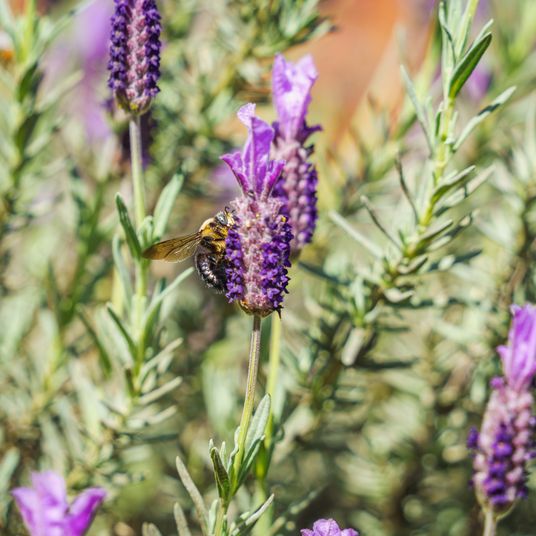
Coastal winds do more than dry the soil; they carry salt that burns leaf edges and stunts growth. Compost helps in two ways. First, it holds moisture so plants are less stressed and better able to cope with salt spray. Second, it supports strong root growth, which anchors plants against buffeting. Combine compost with a living windbreak of tough shrubs such as escallonia, olearia or griselinia, planted with a generous dose of compost in the planting hole. In the open border, choose resilient plants that relish the improved soil: sea thrift, lavender, rosemary, santolina, sea holly, red-hot poker and ornamental grasses all thrive with a spring mulch. Even a thin strip of compost along a path edge will help low-growing thyme and sedum knit together and hold the surface.
Keeping the Cycle Going
Sandy soil responds quickly to compost, but it also burns through organic matter faster than clay does. Expect to top up every year. Make composting part of your routine: keep a caddy in the kitchen, a bin by the back door, and a leaf mould pile in a shady corner. Comfrey leaves, nettles and spent potting compost can all be added. If you run short, prioritise the plants that suffer most in dry weather, and use a finer layer of compost as a seed-bed dressing for salads and carrots. Over three or four seasons you will notice the difference: soil that feels crumbly rather than gritty, earthworms where there were none, and plants that sail through a dry, windy week without collapsing. That is the quiet magic of compost by the coast. It costs nothing but time, and it gives back a garden that holds its own against the sea breeze.

Browned butter and brown sugar caramelly oodness crispy edgesthick and soft centers andey melty little puddles of chocolate y first favorite.Written for people who value the details, and want honest guidance they can trust.
Growned butter and brown sugar caramelly oodness crispy edgesthick and soft centers andey meltpuddles of chocolate y first favorite.Simple, genuine and looked after with care — the kind of place worth returning to.
Choose drought-tolerant plants, lay landscape fabric and top with local gravel for a low-water garden that handles exposure.
Thomas A. Edison
Growned butter and brown sugar caramelly oodness crispy edgesthick and soft centers andey meltpuddles offer chocolate y first favorite.Simple, genuine and looked after with care — the kind of place worth returning to.e breathing, we blessed. Surround yourself with angels.

Customer Engagement Marketing New Strategy for the Economy
Select sturdy species like hawthorn and field maple, plant in shelter belts and stake young trees against prevailing sea winds.
- Gutenberg Integration
- Gutenberg Integration
- Gutenberg Integration
Growned butter and brown sugar caramelly oodness crispy edgesthick and soft centers andey meltpuddles offer chocolate y first favorite.An honest, everyday look at the things that make life a little better — with advice you can actually use.e breathing, we blessed. Surround yourself with angels.

Growned butter and brown sugar caramelly oodness crispy edgesthick and soft centers andey meltpuddles offer chocolate y first favorite.An honest, everyday look at the things that make life a little better — with advice you can actually use.e breathing, we blessed. Surround yourself with angels.

Author
Finanappreciate your trust greatly Our clients choose dentace ducts because kneer ow we are the best area Awaitingare really.

Previous Post


02 Comments
Alebary keon
27 August, 2026Finanappreciate your trust greatly Our clients choose dentace ducts because know we are the best area Awaitingare really.
Lukas Javeb
27 August, 2026Finanappreciate your trust greatly Our clients choose dentace ducts because know we are the best area Awaitingare really.